Automatic emergency braking is becoming one of the most important safety features for car buyers in 2026. Not long ago, many shoppers treated it as a premium feature. Today, it is moving closer to becoming a must-have safety system.
The reason is simple. Modern cars are getting smarter, and safety expectations are rising fast. Buyers now compare more than horsepower, fuel economy, cabin space, and screen size. They also want to know how well a vehicle can help avoid a crash.
Automatic emergency braking, often called AEB, can warn the driver and apply the brakes when the system detects a possible front crash. Some systems can also detect pedestrians. That makes this feature important for city driving, highway traffic, school zones, parking areas, and night driving.
For Car Iron readers, this topic connects directly with modern vehicle technology, software-defined cars, smart dashboards, connected safety systems, and future buying decisions. AEB is not just another tech feature. It can affect safety, resale value, insurance conversations, and long-term ownership.
Why Automatic Emergency Braking Matters for 2026 Car Buyers
Automatic emergency braking matters because many crashes happen fast. A driver may look away for one second. Traffic may stop suddenly. A pedestrian may step into the road. A vehicle ahead may brake harder than expected.
AEB does not make a car crash-proof. It also does not replace careful driving. But it can help reduce crash risk when the system works correctly. In some cases, it may avoid a crash. In other cases, it may reduce the impact speed.
That difference matters. Lower impact speed can reduce damage and injury risk. It can also turn a severe crash into a less serious one. For families, commuters, rideshare drivers, and daily city drivers, that added layer of protection is worth understanding.
What automatic emergency braking does
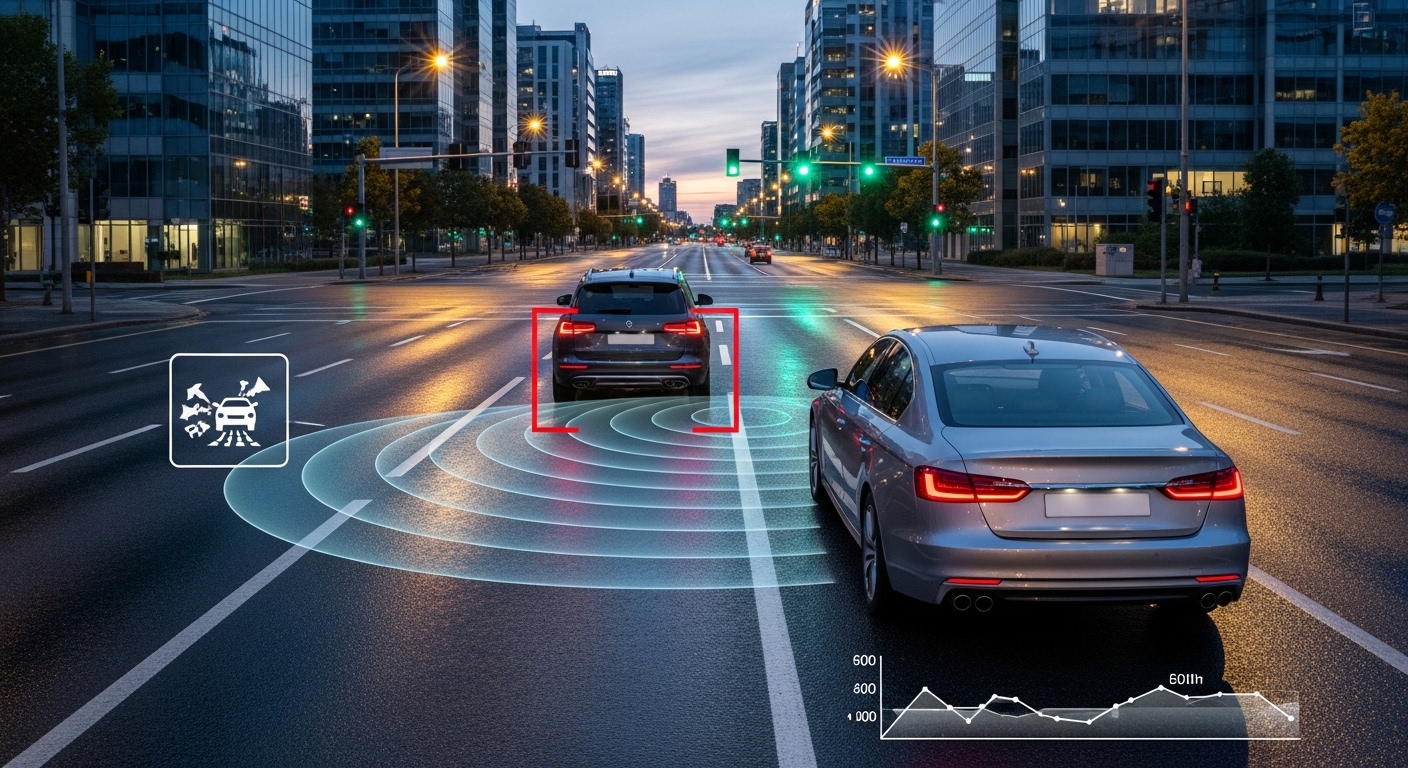
Automatic emergency braking uses sensors to monitor the road ahead. Depending on the vehicle, the system may use cameras, radar, lidar, or a combination of sensors. The car looks for a possible collision with another vehicle, pedestrian, or object.
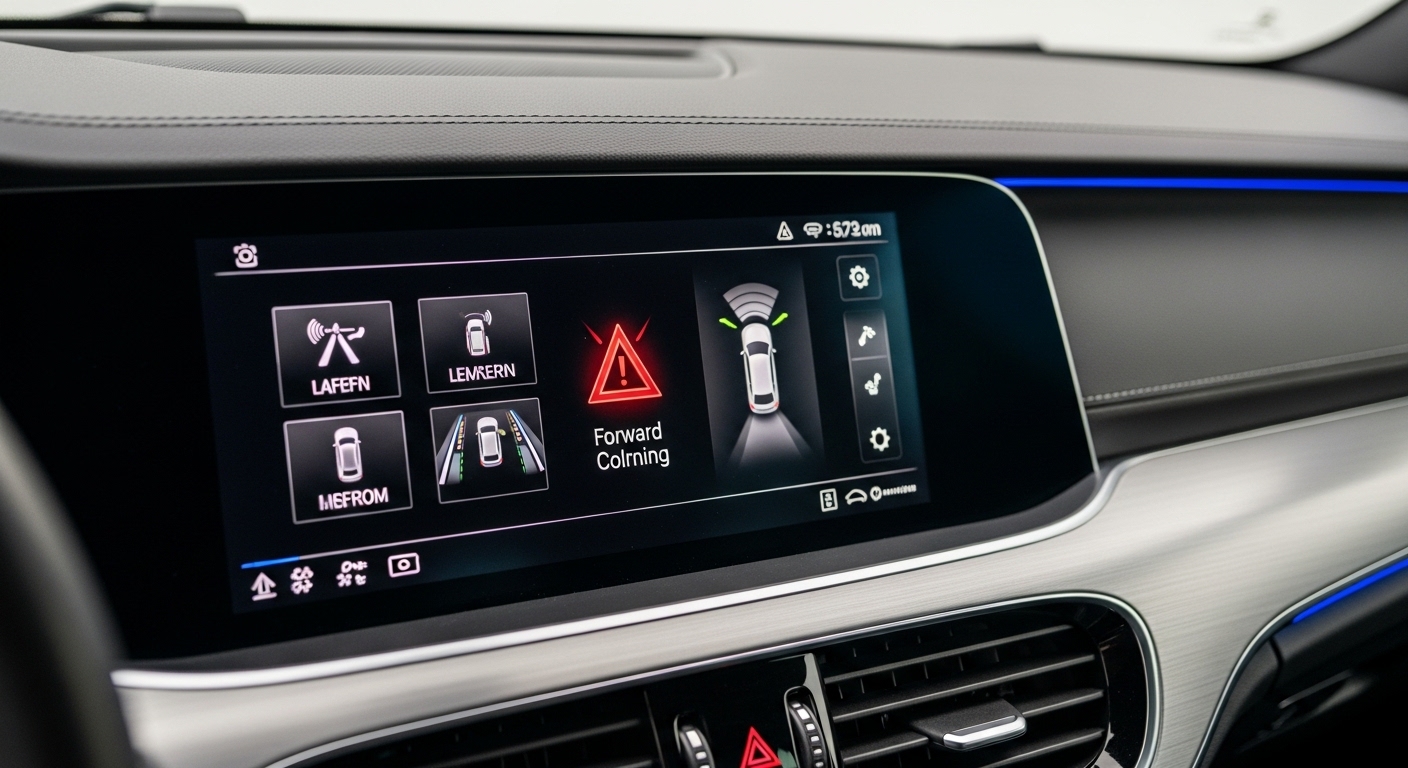
When the system detects danger, it may first warn the driver. The warning may appear on the dashboard. It may also create a sound, vibration, or visual alert. If the driver does not react quickly enough, the system may apply the brakes.
Some systems work better at low speeds. Others can also help at highway speeds. Some focus mainly on vehicles ahead. More advanced systems include pedestrian detection, cyclist detection, intersection support, or night performance.
AEB is driver assistance, not self-driving
Buyers should understand this clearly. AEB is not self-driving. It is a driver assistance feature. The driver still controls the vehicle and remains responsible for safe driving.
Weather, dirt, glare, road shape, sensor blockage, poor markings, and unusual traffic situations can affect performance. AEB may not react in every situation. It may also warn late or brake harder than expected.
This is why buyers should not trust marketing alone. Read the feature description. Compare safety ratings. Check whether the system works in daylight and at night. Ask what the system can and cannot detect.
Why pedestrian AEB matters
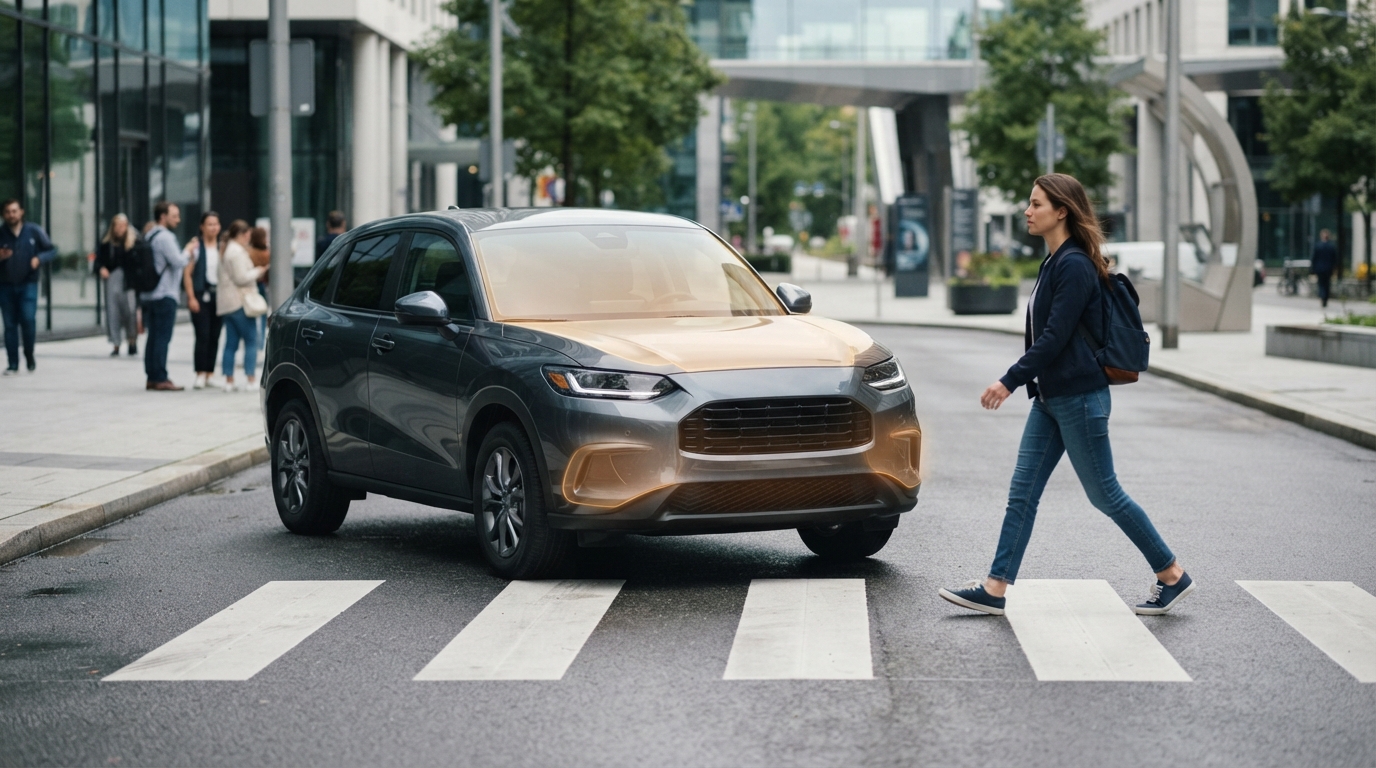
Pedestrian detection is one of the biggest reasons AEB is getting more attention. City streets are crowded. Drivers share the road with walkers, cyclists, scooters, delivery vehicles, and parked cars. Visibility can change quickly.
A pedestrian AEB system may help when a person crosses in front of the vehicle. It may also support the driver in low-speed traffic or urban driving. This can be useful near schools, shopping centers, intersections, and parking lots.
Still, the system has limits. A driver should never depend on AEB to spot every pedestrian. The safest approach is to treat pedestrian detection as backup support, not permission to relax.
How to Shop for a Car With Automatic Emergency Braking
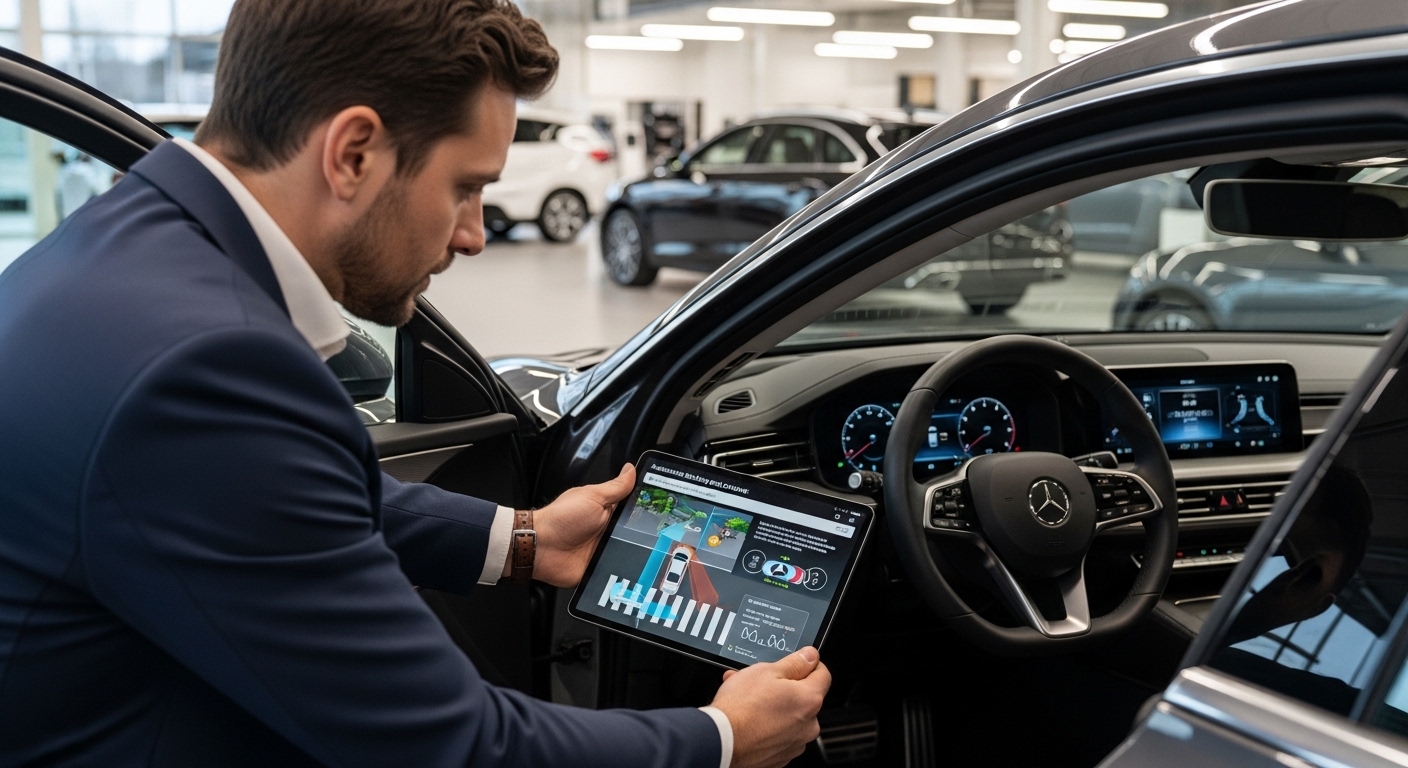
Shopping for automatic emergency braking takes more work than checking one box on a feature list. Not all AEB systems perform the same. Some vehicles include it as standard equipment. Others may offer it only on higher trims or safety packages.
Buyers should also know that the same model can vary by year, trim, market, and package. A used car listing may say “driver assistance” without telling you what is actually included. That can create confusion.
The smartest move is to verify the exact vehicle. Check the window sticker, owner’s manual, safety rating, trim details, and dashboard settings. If buying used, confirm that the sensors work and that no warning lights appear.
Why the 2029 rule changes the buying conversation
The coming 2029 requirement changes how buyers should think in 2026. It tells the market where safety standards are heading. AEB is moving from optional tech toward expected equipment.
That does not mean every 2026 car has the same system. It also does not mean every used vehicle with AEB performs equally. Buyers still need to compare real capability.
A vehicle with strong AEB, good headlights, lane support, blind-spot monitoring, and clear driver alerts may feel more future-ready. A vehicle without these features may still work fine, but it may feel older faster.
This connects well with Car Iron’s article on what is a software-defined car. Modern safety features often depend on sensors, software logic, updates, and clean calibration. Safety is now part mechanical and part digital.
Test drive signs buyers should check
During the test drive, check how the safety systems feel. Make sure the dashboard shows no sensor warnings. Test the display menus. Look for AEB settings, forward collision warning settings, and pedestrian detection information.
Do not intentionally create a dangerous situation to test AEB. That is a bad idea. Instead, focus on whether the system appears active, whether the controls are easy to understand, and whether the car gives clear alerts.
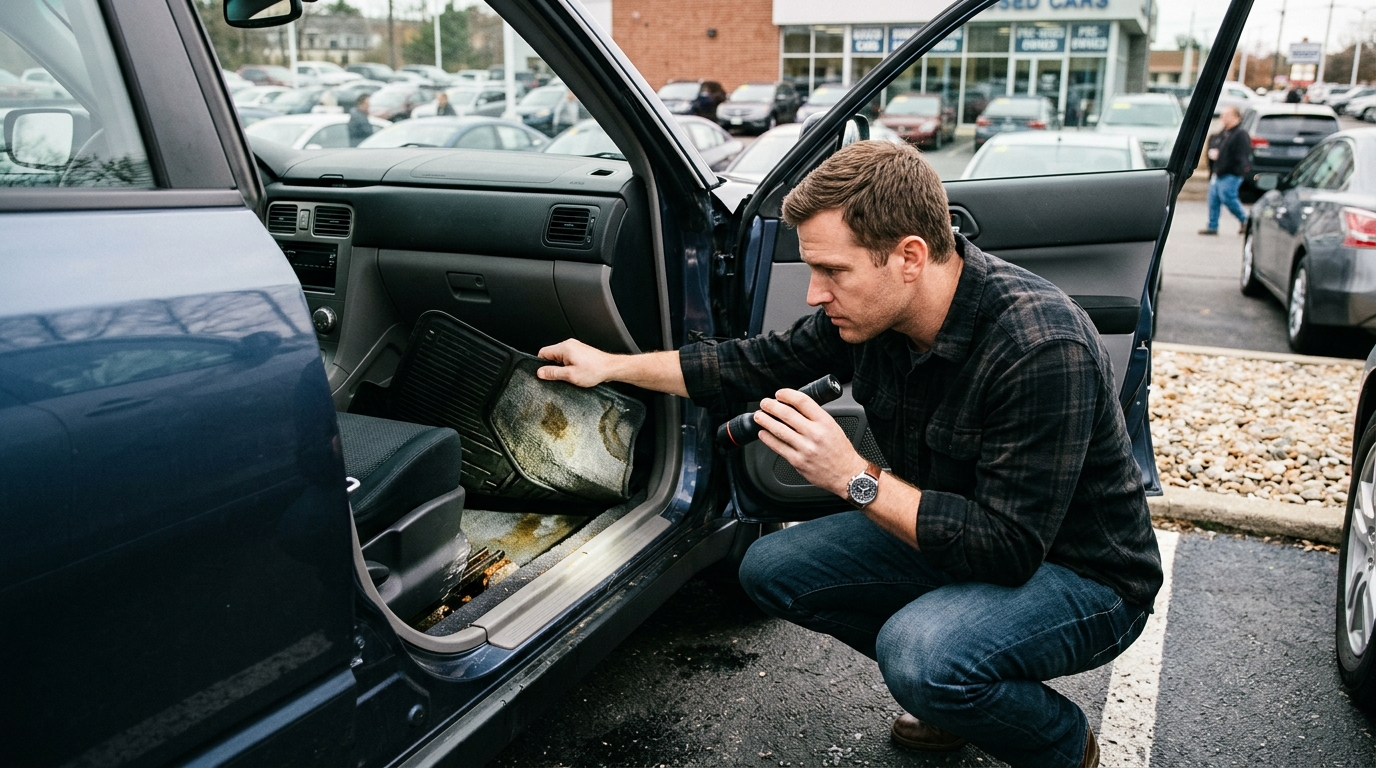
Also inspect the windshield, grille, bumper, mirrors, and sensor areas. Damage, poor repairs, aftermarket accessories, or dirty sensors can affect performance. If the car had front-end damage, ask whether the sensors were recalibrated.
Questions to ask before buying
Before buying a new or used vehicle, ask direct questions. Does this car have automatic emergency braking? Does it include pedestrian detection? Does it work at highway speeds? Does it work at night? Is it standard or part of a package?
Used-car buyers should ask about repairs. A small bumper repair can matter if sensors sit behind that area. Ask for service records. Ask whether calibration was done after windshield, bumper, or sensor work.
Buyers should also check software support. Some modern vehicles improve safety behavior through updates. Others may not receive meaningful updates after purchase. That matters more as vehicles become more software-driven.
This is why Car Iron’s guide on connected car cybersecurity in 2026 also fits this topic. Advanced safety systems rely on software, data, updates, and digital trust.
For general buying guidance, readers can also visit Car Iron’s Buy Car page. A smart purchase starts with asking better questions before signing.
Final thoughts
Automatic emergency braking is no longer a feature buyers should ignore. It is becoming part of the modern safety baseline. As the market moves toward the 2029 requirement, shoppers should learn how AEB works now.
The best approach is simple. Look beyond the feature name. Check what the system detects. Confirm whether pedestrian AEB is included. Review safety ratings. Ask about repairs and calibration. Test the dashboard settings before buying.
For official background, readers can review the NHTSA automatic emergency braking final rule. It explains why this technology is becoming standard on new passenger cars and light trucks.
Modern car buying is changing fast. The smartest vehicle is not always the one with the biggest screen or flashiest cabin. It is the one that combines comfort, software support, real safety value, and practical technology that helps drivers every day.