In-car AI assistants are becoming one of the most talked-about features in modern vehicles. Not long ago, drivers judged in-car technology by screen size, sound quality, Bluetooth reliability, and whether voice commands could handle a basic phone call or navigation request. That bar is much higher now. More buyers are paying attention to whether a car can understand natural speech, suggest better routes, help manage messages, support charging stops, and make the dashboard feel more useful instead of more distracting.
That shift matters because buyers are no longer just comparing engines, trims, and fuel economy. They are also comparing digital experiences. A modern vehicle may now behave more like a connected device than a traditional machine. It can receive updates, learn new functions, improve the interface after purchase, and offer features that feel closer to a smartphone assistant than an old-style infotainment system. This is one reason interest in software-defined cars keeps growing.
For shoppers, the real question is not whether AI in cars sounds impressive. The real question is whether it actually makes ownership better. A useful assistant can reduce friction, simplify daily driving, and make connected features easier to use. A bad one just adds more noise, more menus, and more reasons to feel annoyed every time you start the car. That is why buyers need a more practical way to evaluate these systems before they commit.
If you have already read CarIron’s posts on what makes a modern car so smart, the role of artificial intelligence in car design, and connected car cybersecurity in 2026, this topic is the next logical step. Smart dashboards are no longer just about looking modern. They now influence convenience, privacy, updates, and long-term ownership value.
Why In-Car AI Assistants Are Becoming a Real Buying Factor
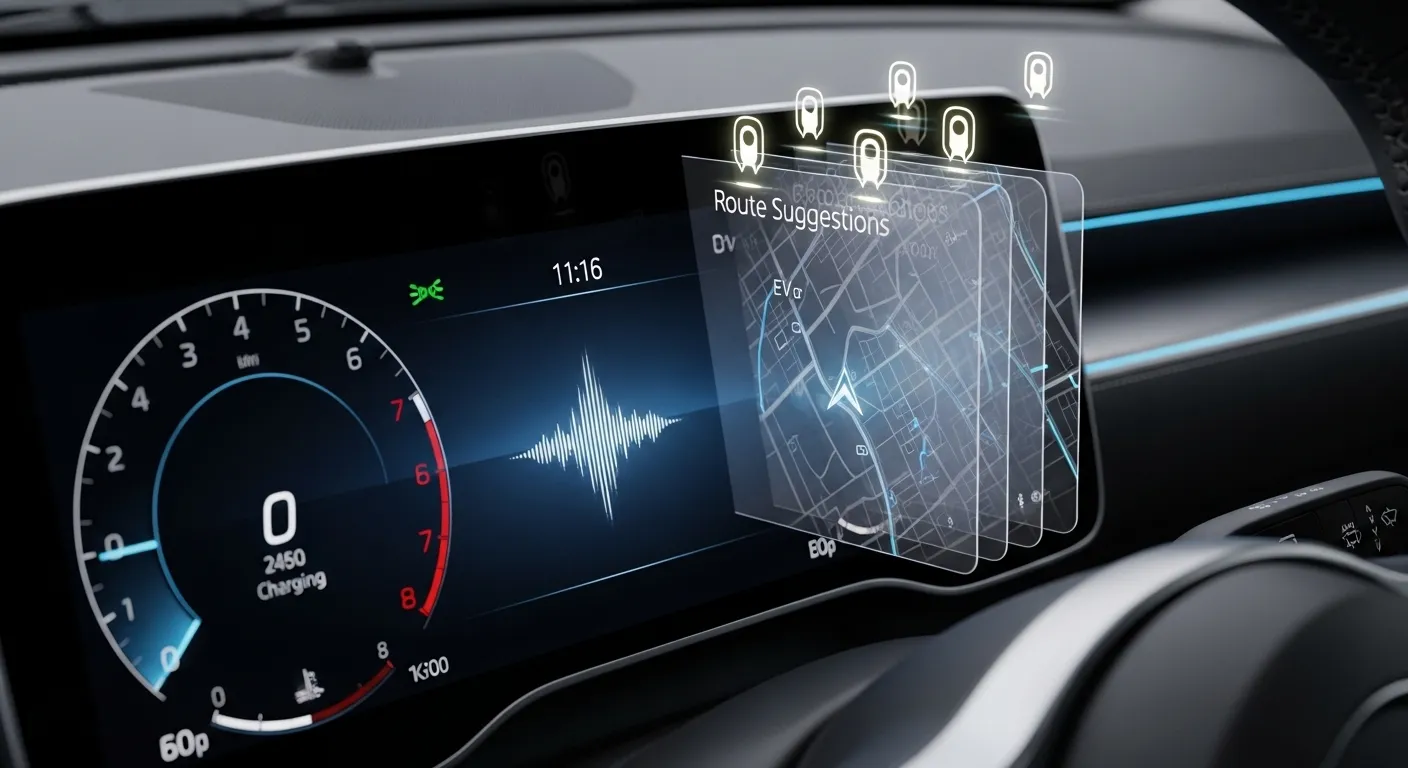
The rise of in-car AI assistants is not just another passing gadget trend. It reflects a larger change in how vehicles are built and sold. Buyers increasingly expect their cars to do more than drive well. They want their vehicles to respond naturally, reduce small daily frustrations, and make digital features feel intuitive. In other words, the dashboard is becoming part of the ownership experience in a much bigger way than before.
AI Is Moving From Novelty to Daily Driving Tool
Early voice control in cars was often clunky. Drivers had to memorize exact commands, repeat themselves, or give up entirely after a few failed attempts. That history still affects how some buyers think about in-car assistants today. They assume it is all marketing. But the current wave of AI systems is being positioned differently. The pitch is no longer just “talk to your car.” The pitch is “let the car understand what you mean.”
Natural conversation is replacing rigid voice commands
This is one of the biggest reasons the category matters. A better assistant should let drivers speak naturally rather than forcing them to learn the system’s preferred phrasing. That can make simple tasks feel easier, like asking for coffee on the route, sending a quick message, changing media, or finding a stop that makes sense with the rest of the trip. The difference is not only convenience. It is also whether the technology feels genuinely useful after the first week of ownership.
When voice technology works naturally, it reduces dashboard friction. Drivers spend less time tapping through menus and less time correcting the system. That makes the feature easier to live with, especially for commuters, parents, rideshare drivers, and anyone who spends long hours behind the wheel.
Navigation, charging, and communication are merging
The smartest assistants are no longer limited to one task. They now sit at the intersection of navigation, vehicle settings, messaging, entertainment, and trip planning. That matters even more in electrified vehicles, where route planning and charging convenience can shape the entire ownership experience. If the assistant can help with route logic, nearby stops, timing, and connected services, it becomes more than a novelty feature. It becomes part of how the car actually works day to day.
That crossover is one reason this trend also fits readers interested in hybrid vs. electric vehicles. The more connected and software-led a vehicle becomes, the more the user experience matters. A smart powertrain is important, but a smart ownership experience matters too.
The Smartest Cars Now Feel More Like Digital Products
The bigger picture is that modern cars are becoming update-driven platforms. Buyers may still focus on horsepower, range, design, and comfort, but software now shapes how those strengths are delivered. A vehicle can improve through updates, gain new functionality, or refine the way existing features behave. That is a major shift from older ownership models where what you bought on day one was more or less what you kept.
In-car AI assistants fit into that trend perfectly. They are not isolated gadgets. They are part of a broader connected ecosystem that includes cloud services, apps, over-the-air updates, account logins, digital profiles, and security controls. That is why buyers should not evaluate them like a standalone toy. They should evaluate them like part of the vehicle’s operating environment.
For a direct example of where this is heading, Google’s official overview of Gemini in cars shows how automakers and major platforms are trying to make in-car assistance more conversational and integrated. The key issue for buyers is whether those promises hold up in real ownership, not just in press materials.
What Buyers Should Ask Before They Trust an AI-Powered Dashboard
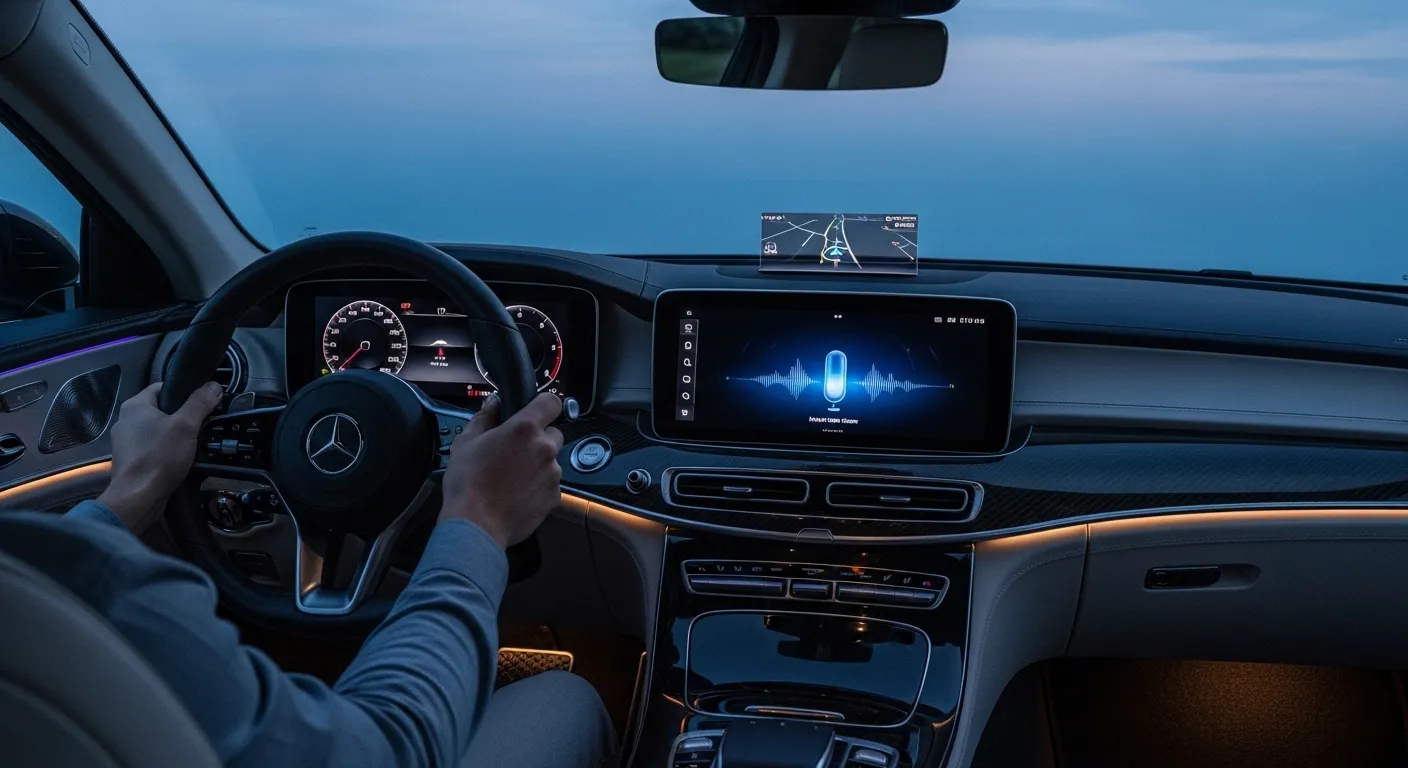
Smart buyers should take a practical approach. Instead of being impressed by every demo, ask what the assistant actually improves, how well it is supported, and what tradeoffs come with it. A flashy feature is not always a valuable one. The right questions can help separate meaningful technology from expensive distraction.
Ask These Questions Before You Buy
Start with real usage. Can the assistant handle everyday requests smoothly? Does it understand natural language, or does it still force robotic commands? Does it work consistently with navigation, calls, and media, or only in ideal conditions? Is it tied to subscriptions or accounts that make ownership more complicated later? Most importantly, will this feature still feel useful six months after purchase?
Buyers should also test how the system behaves under pressure. Try using it in a noisy cabin. Ask it to change plans mid-route. See whether it helps with multi-step requests or falls apart the moment things get slightly complicated. A good in-car assistant should reduce stress, not add to it.
How much data does the car collect and where does it go?
This is where many shoppers still get too casual. AI assistants often depend on connected services, user accounts, stored preferences, cloud processing, and app integration. That means the feature may involve more data collection than buyers realize. Before trusting it, ask what information is stored, what is shared, and whether privacy settings are visible and easy to manage.
This connects directly to CarIron’s post on connected car cybersecurity in 2026. The smarter a vehicle becomes, the more important it is to think beyond convenience. Privacy, account security, app permissions, and update quality all matter. A car can be impressive and still ask for more trust than some buyers are comfortable giving.
How long will the software stay useful after the sale?
Some buyers focus heavily on the launch version of the system and forget to ask the more important ownership question: how well will this software age? If an AI assistant depends on updates, cloud support, or continuing platform investment, long-term support matters almost as much as first impressions. A dashboard that feels advanced today can become frustrating quickly if updates slow down, app support gets messy, or subscriptions start replacing core usability.
This is why software-defined vehicle thinking matters so much for buyers now. The digital side of the car should be treated like part of the product, not a side bonus. Ask how often updates arrive, whether features improve over time, and whether the automaker has a strong track record of supporting connected tech after the sale.
In the end, in-car AI assistants are worth paying attention to because they are shaping how people interact with modern vehicles. But buyers should stay grounded. The best systems are not the ones with the flashiest marketing. They are the ones that save time, reduce frustration, respect privacy, and continue improving after purchase. That is the standard smart buyers should use in 2026.
As AI becomes more visible in dashboards, the winning vehicles will be the ones that balance intelligence with trust. If the assistant helps without getting in the way, supports daily driving without overcomplicating it, and feels dependable instead of gimmicky, then it is a real upgrade. If not, it is just another shiny feature that will age badly. That is exactly why buyers should test, question, and compare before trusting the dashboard.