Used EV battery health is now one of the most important things to check before buying a secondhand electric car. Price matters. Mileage matters. Brand reputation matters. But the battery can affect range, charging speed, resale value, warranty coverage, and daily confidence more than almost anything else.
Used electric vehicles are getting more attention in 2026. More shoppers want lower fuel costs, smooth driving, quiet cabins, and modern technology without paying the price of a brand-new EV. That makes sense. A used EV can be a smart buy when the numbers work.
Still, buyers should not shop for a used EV the same way they shop for a gas car. A gas car inspection focuses on the engine, transmission, leaks, service history, and emissions system. A used EV inspection must focus heavily on the battery pack, charging system, software, warranty, and real-world range.
Car Iron already covers modern car trends, hybrid choices, software-defined vehicles, and smart car technology. This guide adds the next important piece: how to judge used EV battery health before you sign the deal.
Why Used EV Battery Health Matters More in 2026
The used EV market is becoming more mature. That is good for buyers. More inventory can mean more choices and better prices. It also means shoppers must compare vehicles more carefully.
Two used EVs can look similar online. They may have the same year, trim, color, and mileage. But their batteries may not be in the same condition. One owner may have charged gently at home. Another may have used frequent fast charging, parked in harsh heat, or allowed the battery to sit at very high or very low charge for long periods.
Battery condition affects how far the car can drive on a charge. It also affects buyer confidence. A car with a strong battery can feel like a bargain. A car with weak battery health can become expensive fast.
What battery health means for a used EV
Battery health usually refers to how much useful capacity remains compared with when the battery was new. Many people call this state of health, or SoH. A higher number usually means the battery can hold more energy and deliver better range.
That does not mean a lower number always makes a car bad. The right choice depends on price, driving needs, warranty coverage, charging access, and expected ownership time. A commuter who drives 25 miles a day may not need the same battery condition as someone who takes frequent road trips.
Buyers should also understand the difference between battery capacity and displayed range. Range can change because of weather, tires, driving speed, elevation, software estimates, and climate control use. Battery health tells a deeper story.
Why range alone is not enough
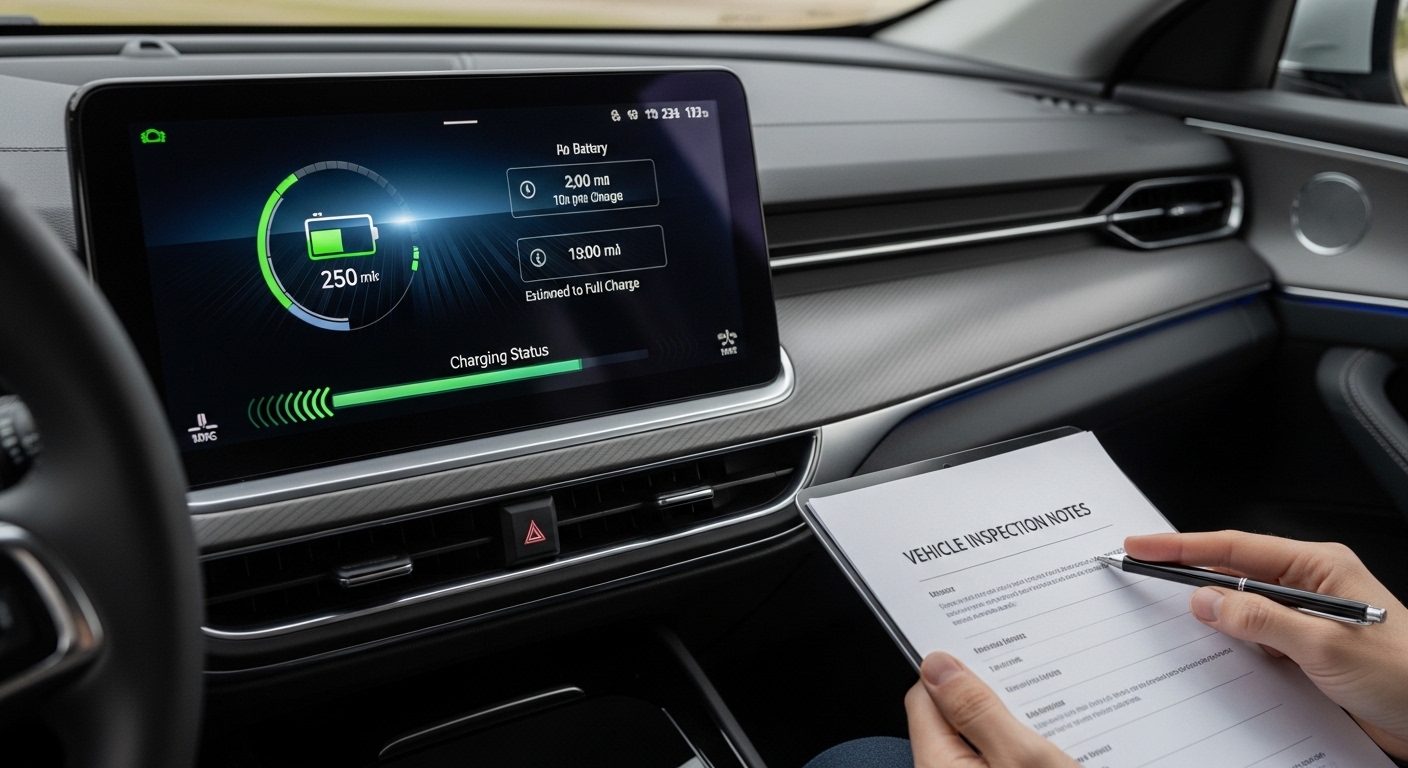
A dashboard range estimate can help, but it should not be the only clue. Some cars show optimistic range. Others adjust the number based on recent driving. A short city test drive may not reveal the real battery condition.
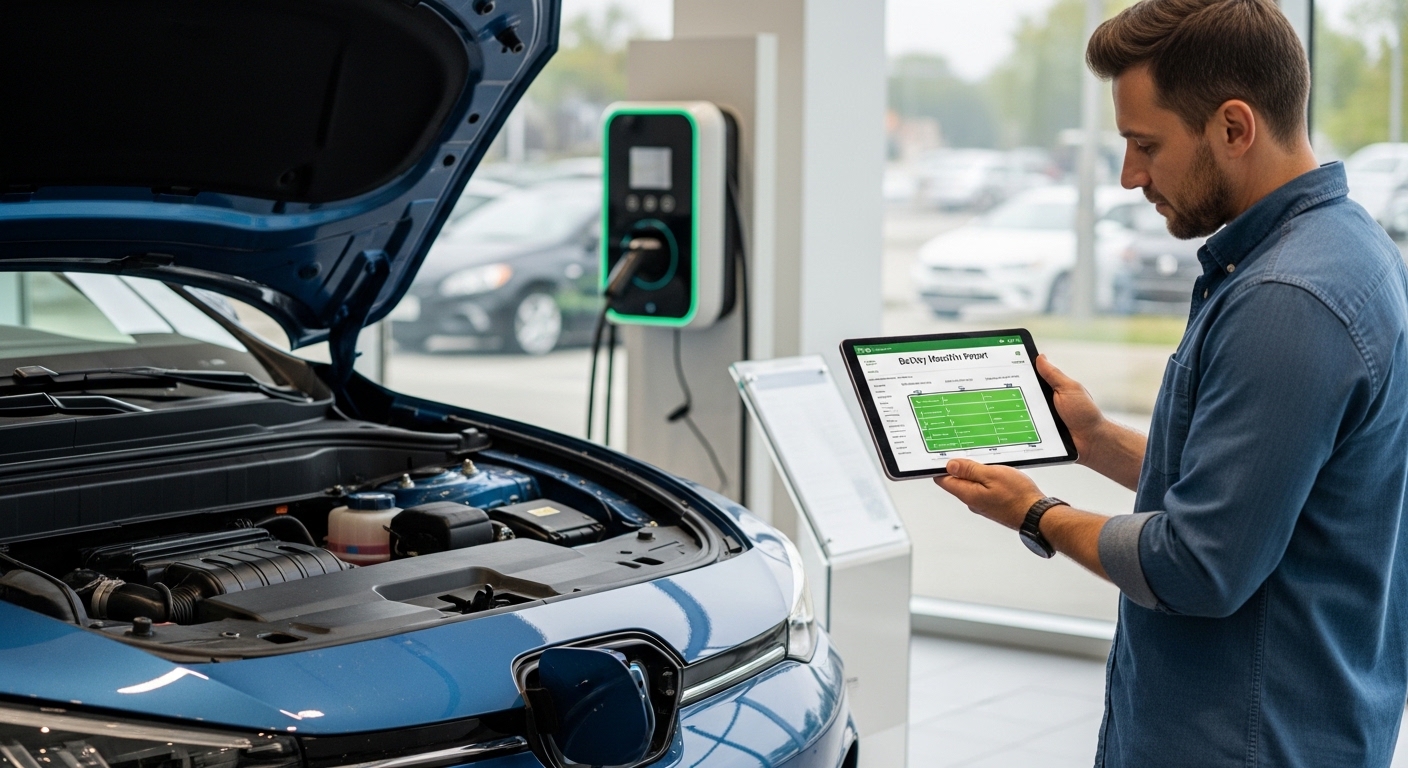
Ask for a battery health report when possible. Also check the car’s charging history, warranty status, service records, and software update history. These details can show whether the vehicle was cared for properly.
For official EV basics, buyers can review the FuelEconomy.gov All-Electric Vehicles page. It explains how EVs work, how they use rechargeable battery packs, and what buyers should know about range and charging.
How battery condition affects value
Used EV battery health can directly affect value. A clean interior and low mileage are helpful, but they do not replace battery proof. If two similar EVs have different battery health scores, buyers should not treat them as equal.
A strong battery may justify a higher price. A weaker battery may still be worth buying, but only if the price reflects the reduced range. The buyer should also check whether any battery warranty still applies.
Battery replacement can be costly. That does not mean buyers should fear every used EV. It means they should inspect the vehicle correctly. Smart research can separate a good deal from a risky one.
How to Check Used EV Battery Health Before Buying
Checking used EV battery health starts before the test drive. Do not wait until you are already at the dealership. Research the model’s original EPA range, common battery issues, charging speed, battery warranty, and software update history.
Then compare that information with the actual car. Look at the displayed range after a full or near-full charge. Ask how the car was charged. Review service records. Check if the battery has ever been repaired or replaced.
You should also compare the EV with your real driving needs. A used EV does not need perfect battery health to be useful. It needs enough dependable range for your daily life, plus a comfortable buffer for weather, traffic, detours, and battery aging.
Ask for battery reports, warranty details, and charging history
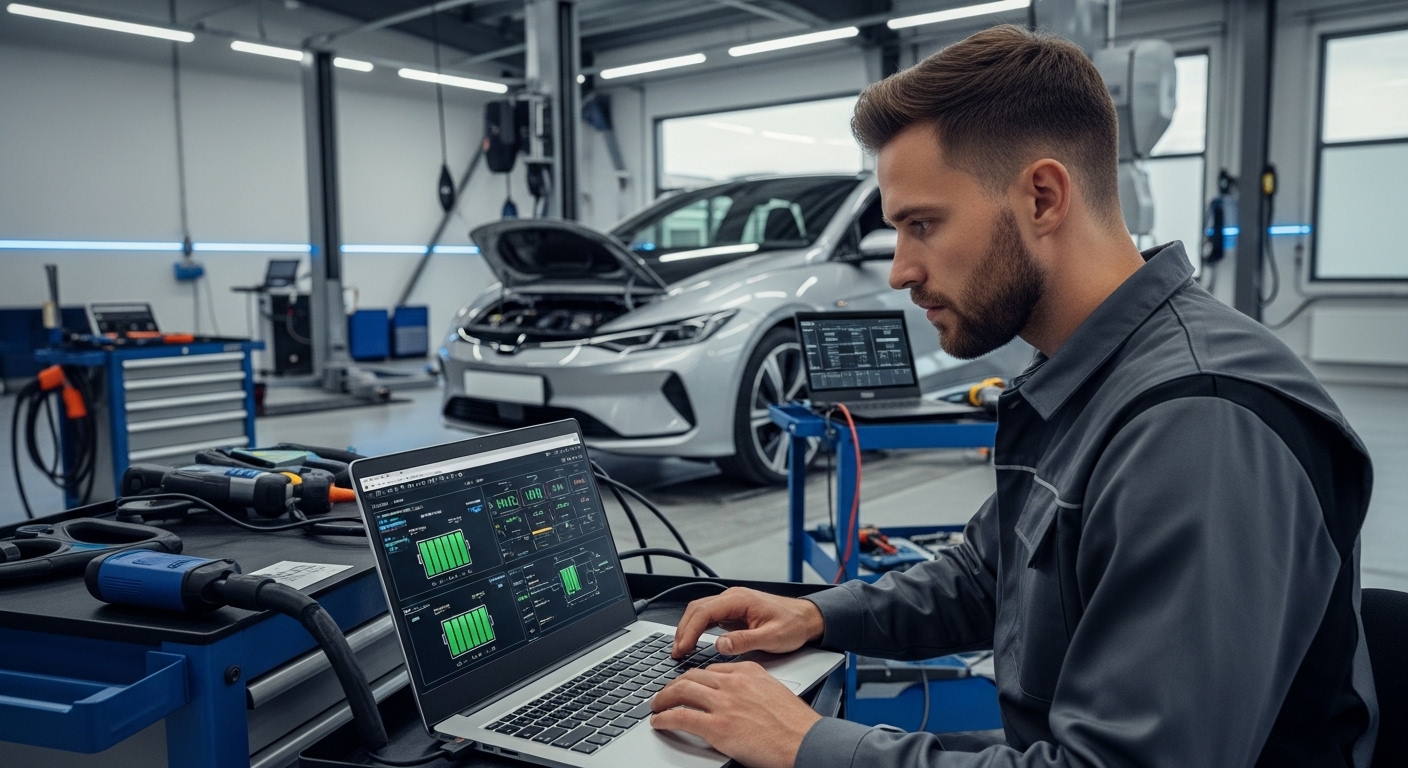
A serious seller should be ready to discuss battery condition. Ask for a battery health report if one is available. Some dealers now provide battery scores or diagnostic reports. Some brands also show battery information through the vehicle screen or service tools.
Next, check the warranty. Many EV battery warranties run for years or mileage limits, but coverage details vary. Some warranties cover total failure. Others may cover capacity loss below a specific threshold. Always read the terms.
Charging history also matters. Frequent DC fast charging is not automatically a deal breaker. Many EVs handle it well. But repeated fast charging, harsh climate, and poor charging habits can add stress over time.
This topic connects naturally with Car Iron’s guide on Hybrid vs Plug-In Hybrid in 2026. Buyers who are unsure about full EV ownership may compare used EVs with hybrids and plug-in hybrids before making a final choice.
What to check during the test drive
A test drive should include more than acceleration. Watch how the range estimate changes. Use normal city streets and faster roads if possible. Listen for unusual noises. Check the dashboard for warning lights. Test regenerative braking.
Also test the charging port if you can. Make sure it opens, connects, and communicates properly. Ask if the car includes the charging cable. Confirm what type of charger the vehicle supports.
Check the infotainment system and software menus too. Many EV features depend on software. Charging settings, battery preconditioning, route planning, and efficiency tools may all live inside the screen.
This is why Car Iron’s post on what is a software-defined car supports this article. In modern EVs, software can affect range estimates, charging behavior, updates, and long-term ownership value.
How to decide if a used EV is still a good buy
A used EV can still be a strong buy even if it has some battery aging. The key is matching the car to the buyer. Start with your daily mileage. Add a safety buffer. Then compare that number with the vehicle’s realistic range.
For example, a driver with home charging and a short commute may do well with a lower-range used EV. A driver who travels often may need a larger battery, faster charging, and better warranty protection.
Also consider where you will charge. Home charging can make EV ownership easier. Public charging can work too, but it needs planning. If the car charges slowly, that may matter more for road trips than daily errands.
Smart buyers should also review the vehicle’s digital features. Check app support, navigation, charging tools, update history, and data privacy settings. Car Iron’s guide on connected car cybersecurity in 2026 can help buyers think beyond range and price.
Final thoughts
Used EV battery health should not scare buyers away from electric cars. It should make them shop smarter. A strong battery report, clear warranty, clean service history, and realistic range can turn a used EV into a practical and affordable choice.
The wrong move is buying based only on price, mileage, or exterior condition. EV buyers need to ask better questions. How healthy is the battery? How much range remains? How was the car charged? Is the warranty still active? Does the software still receive support?
If those answers look good, a used EV can offer quiet driving, lower energy costs, modern features, and strong long-term value. If the answers are unclear, keep looking. The used EV market is growing, and patient buyers have more options than before.
For more buying guidance, visit Car Iron’s Buy Car page. A smarter purchase starts with the right questions before the deal is done.