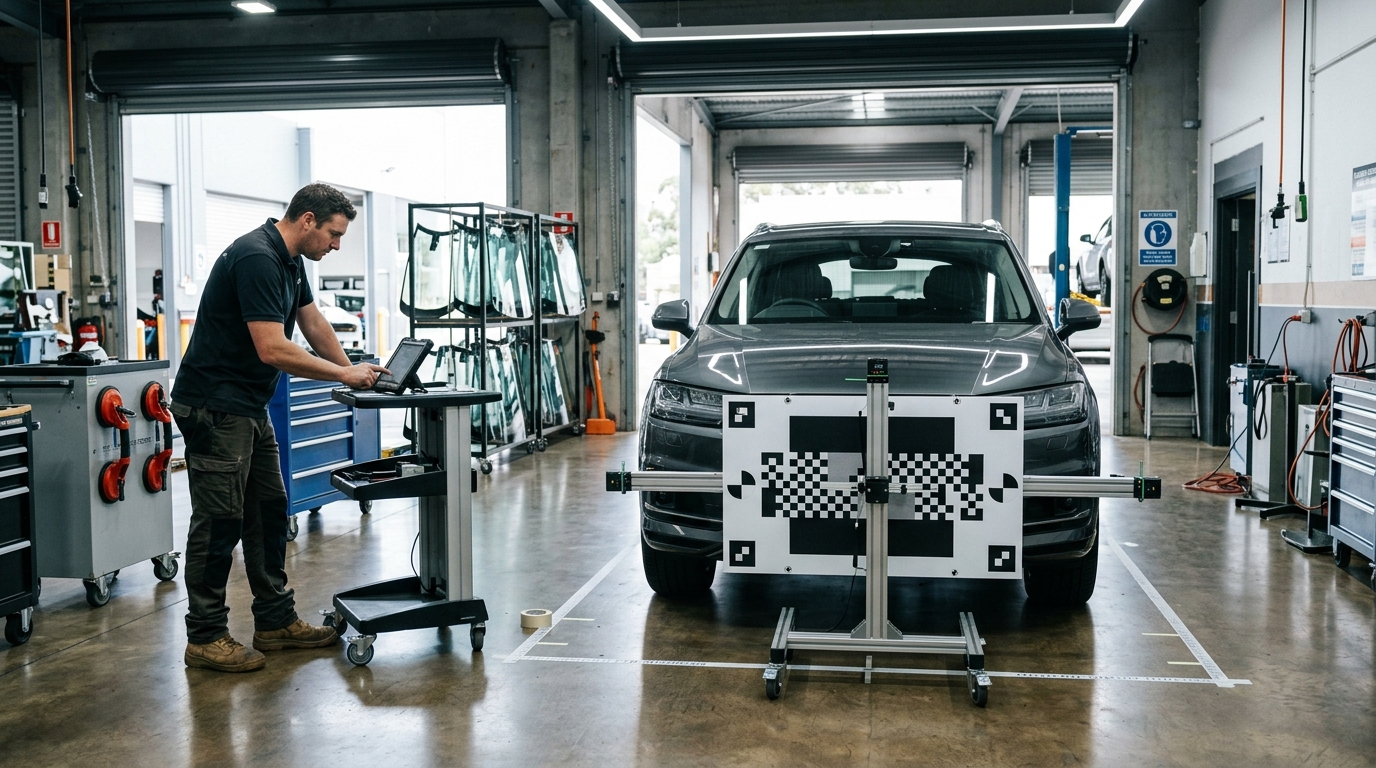
ADAS calibration after windshield replacement in 2026 is becoming an important consideration for anyone buying, repairing, or maintaining a modern vehicle. Today’s windshields do more than protect occupants from wind and rain. On many cars, they also support cameras that help power advanced driver assistance systems.
These systems may include automatic emergency braking, lane departure warnings, lane-keeping assistance, and traffic sign recognition. Depending on the vehicle, a forward-facing camera sits behind the windshield near the rearview mirror.
Replacing damaged glass can disturb the camera’s position or change its optical relationship with the road. As a result, some manufacturers require specific inspections or calibration procedures after windshield work.
For used car buyers, this creates a hidden question. A vehicle may have a clean windshield and no dashboard warnings, yet still need verification that its safety systems were serviced correctly.
This guide explains ADAS calibration, common repair concerns, and the questions buyers should ask before purchasing a vehicle with modern driver assistance features.
Why Windshield Replacement Can Affect ADAS Safety Systems
Advanced driver assistance systems, commonly called ADAS, use information from cameras, radar, and other sensors to help drivers recognize certain hazards.
Some systems warn about unintended lane departures. Others may apply the brakes when they detect a potential collision.
These technologies depend on properly functioning hardware, software, and sensor alignment. If a camera’s position changes, its interpretation of road markings or nearby objects may also change.
However, the exact impact depends on the vehicle and the nature of the repair. Not every windshield replacement requires the same procedure.
How windshield cameras support modern driving features
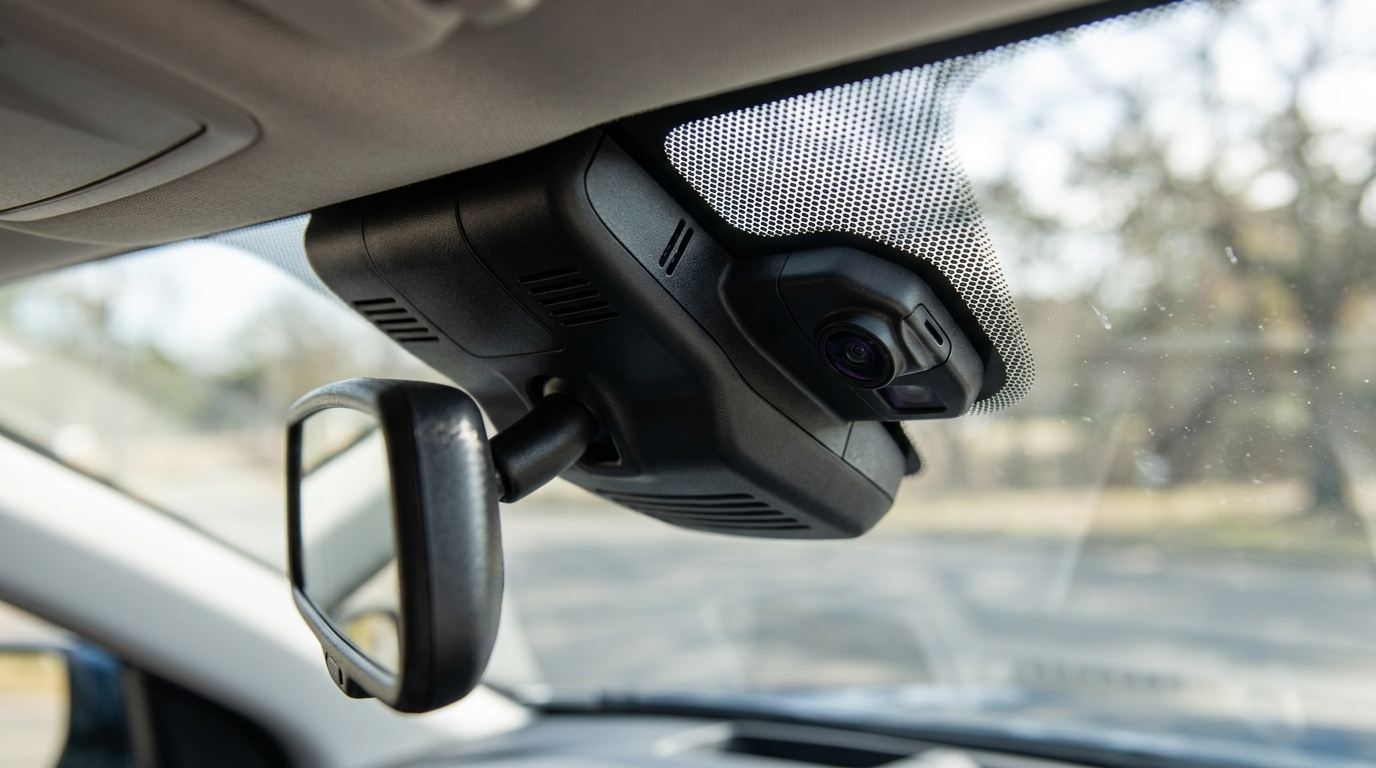
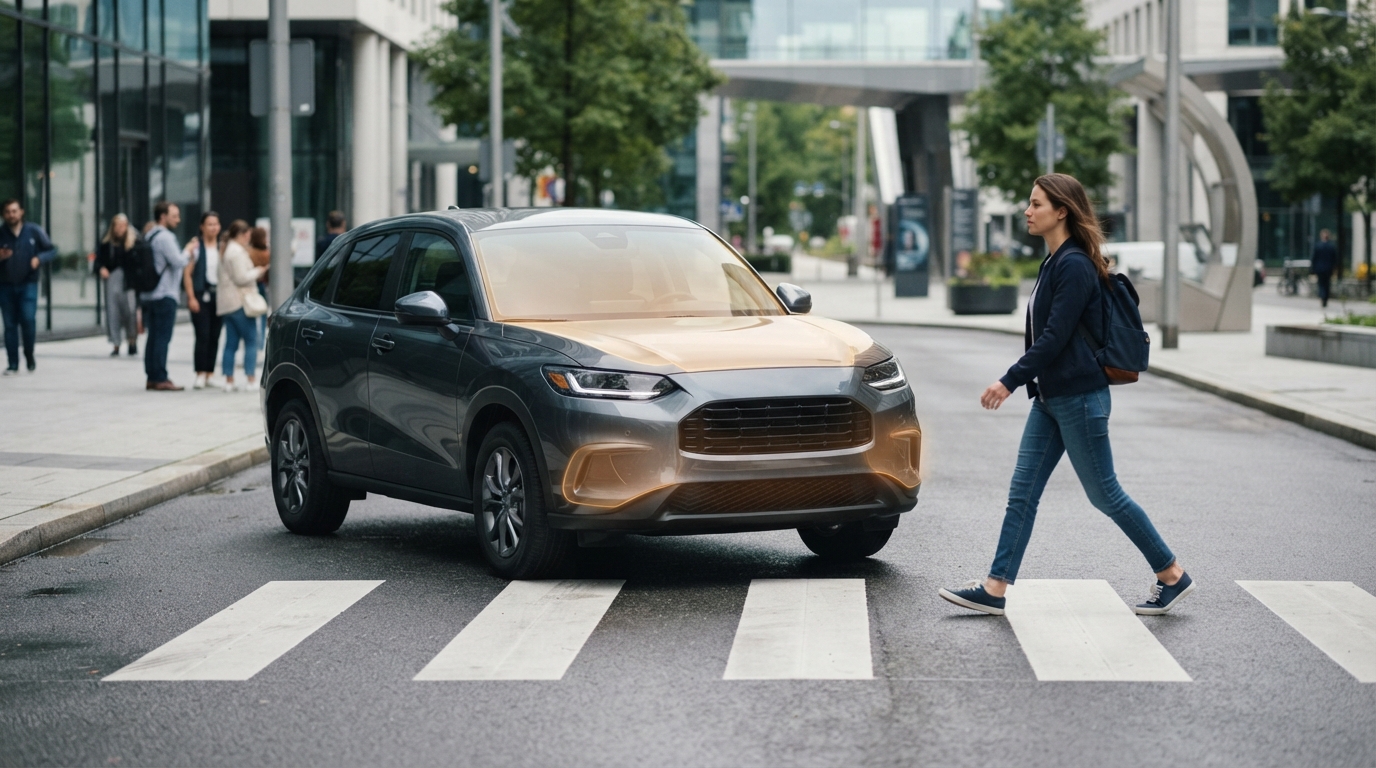
A forward-facing camera can help identify lane markings, vehicles, pedestrians, and road signs. The vehicle’s control system processes that information and uses it to support specific driver assistance functions.
For example, lane departure warning may alert a driver when the vehicle begins drifting across a detected lane marking. Automatic emergency braking may respond when its sensors recognize a potential collision under supported conditions.
These features are not substitutes for attentive driving. Weather, lighting, road design, sensor limitations, and equipment condition can affect performance.
Our automatic emergency braking buyer guide explains how AEB works and why drivers should understand its limitations.
Why a small alignment change can matter
Vehicle cameras must interpret objects at varying distances and angles. Their calibration helps the system relate what the camera detects to the vehicle’s position and movement.
If a windshield-mounted camera or bracket is installed incorrectly, the system may receive information that does not match its intended alignment.
Research submitted by the Insurance Institute for Highway Safety to federal regulators documented a case where windshield replacement affected forward collision prevention and lane departure warning performance.
In that example, a camera mounting issue changed system behavior, and proper recalibration resolved the problem.
Importantly, the vehicle did not necessarily display a warning identifying the performance issue. This illustrates why visual inspection and dashboard indicators are not always sufficient.
Does every windshield replacement require recalibration?
No single procedure applies to every vehicle. The correct requirements depend on the manufacturer, model, model year, installed systems, and repair performed.
Some vehicles require static calibration using specialized targets in a controlled workshop. Others use dynamic calibration involving specified driving conditions.
Certain systems require both approaches, while other vehicles may have different inspection procedures.
A repair shop should consult the manufacturer’s current instructions for the exact vehicle rather than relying on a general rule.
Car owners should also avoid assuming that a generic diagnostic scan completes the calibration process. Reading fault codes and performing a manufacturer-specified camera calibration are not necessarily the same task.
Why windshield repair history matters when buying used cars
Used car shoppers typically inspect engine condition, mileage, tires, brakes, and accident history. However, modern safety technology adds another area that deserves attention.
A windshield may have been replaced after a stone impact, collision, or previous glass damage. The replacement itself is not automatically a problem.
The concern is whether appropriate glass, mounting hardware, and manufacturer-required calibration procedures were used.
Some repair records identify the glass replacement but omit details about camera calibration. Others may include a separate calibration invoice.
Buyers should request both documents when possible.
Warning signs to check during a used car inspection
Begin by examining the windshield for cracks, chips, unusual distortion, or poor installation around the edges.
Look for loose trim near the camera housing and ask whether the glass is original or has been replaced.
During the test drive, pay attention to dashboard alerts and whether driver assistance features appear available under appropriate conditions.
However, do not deliberately test automatic emergency braking by approaching another vehicle or pedestrian. Such experiments are dangerous and may not represent the manufacturer’s intended testing procedure.
Instead, request service documentation and have a qualified technician inspect the system when the repair history is uncertain.
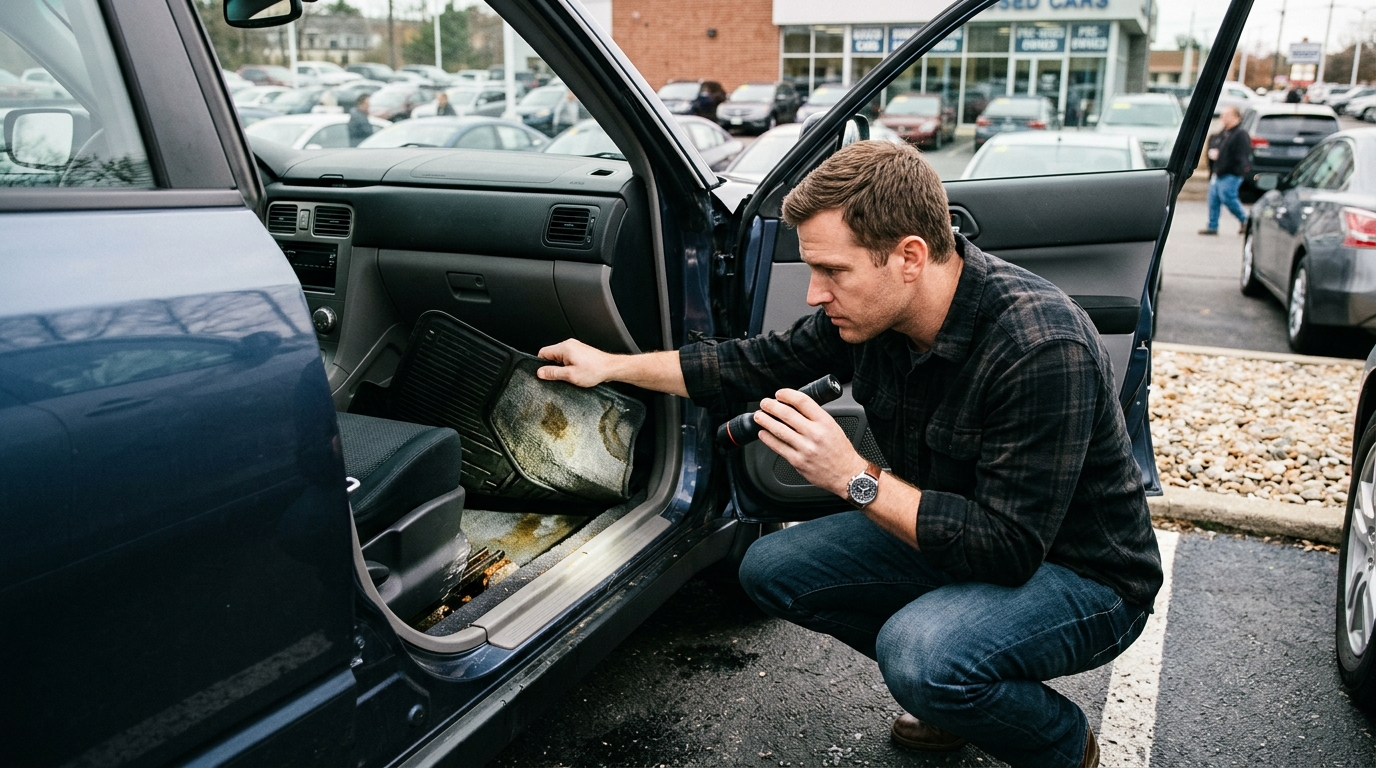
Our guide to flood-damaged used cars explains another reason why advanced vehicle electronics deserve attention during pre-purchase inspections.
How to Verify ADAS Calibration Before Buying or Repairing a Car
Understanding the technology is only the first step. Buyers also need practical ways to confirm that a vehicle’s safety equipment has received appropriate service.
Start with the vehicle identification number and its exact equipment configuration. Two vehicles from the same model year may have different cameras, assistance packages, or service requirements.
A qualified repair facility should be able to identify the manufacturer-approved procedure relevant to the vehicle.
If the seller claims that calibration was unnecessary, ask for the specific service documentation supporting that conclusion.
Ask for repair records and calibration documentation
A useful repair record should identify the work performed, the relevant vehicle, and any required calibration or inspection procedures.
Depending on the system, supporting documentation may include diagnostic reports, calibration results, technician notes, and details about replacement components.
Buyers should not expect every workshop to use identical paperwork. However, the shop should be able to explain what it completed and whether the procedure followed manufacturer requirements.
Ask whether the windshield replacement involved the original camera bracket, new mounting components, or other equipment that could affect alignment.
Find out whether the repair included an appropriate post-service verification process.
What buyers should ask the repair shop or seller
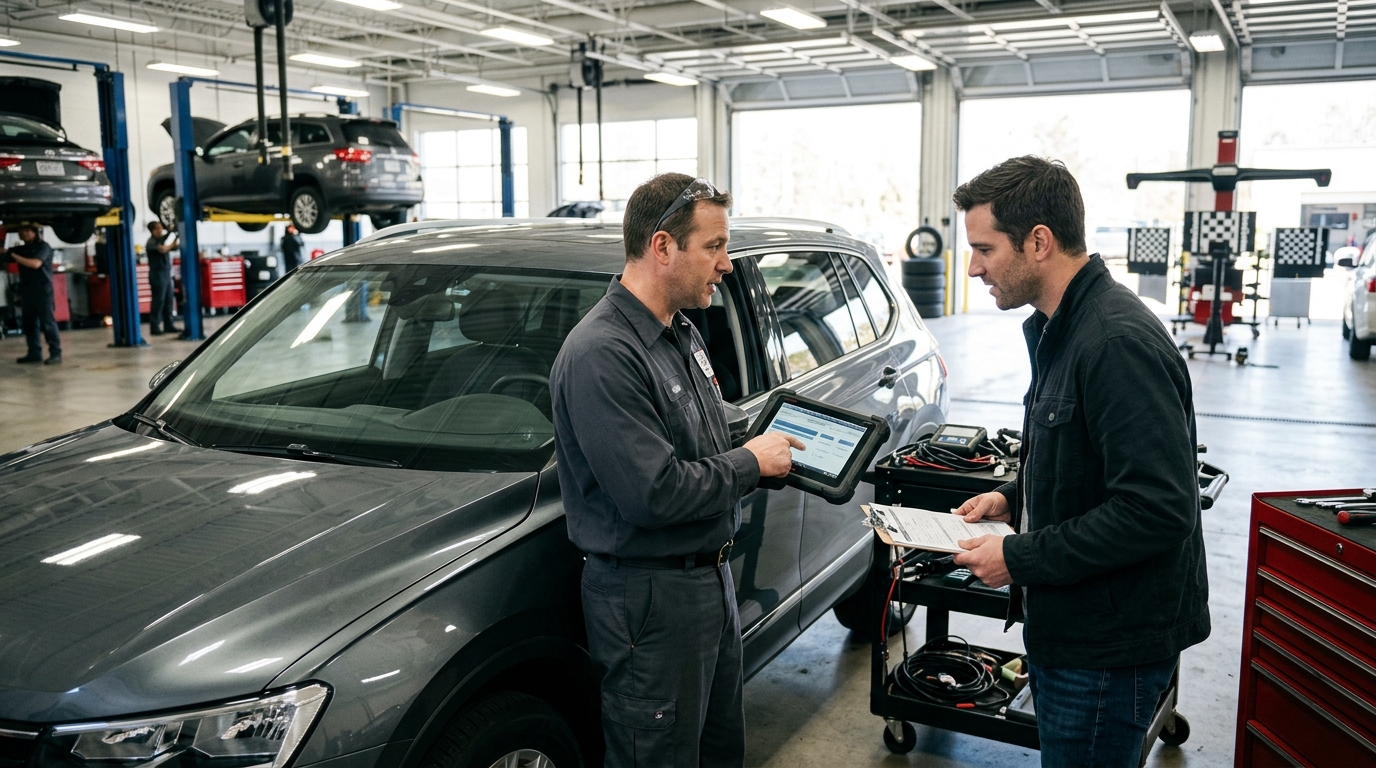
Before purchasing a vehicle with a replaced windshield, ask when and why the glass was changed.
Next, confirm whether the vehicle manufacturer required ADAS calibration after that repair.
If calibration was required, request evidence showing that it was completed successfully.
Ask whether the vehicle has had other repairs involving the front bumper, suspension, wheel alignment, or camera and radar mounting locations.
Some of these repairs may also trigger vehicle-specific sensor checks or recalibration requirements.
If the seller cannot provide reliable records, consider an independent inspection by a technician familiar with the vehicle’s ADAS system.
Do not assume that a clean title or a basic vehicle history report confirms that all electronic safety repairs were performed correctly.
Even a vehicle without a reported collision may have undergone windshield or sensor repairs.
Buyers should also compare the likely cost of additional inspection or calibration with the vehicle’s asking price.
Calibration expenses vary considerably according to vehicle design, required equipment, regional labor rates, and the number of procedures involved.
A simple price estimate from an unrelated vehicle may not accurately represent the cost for the car you are considering.
Request a written estimate based on the actual VIN and required manufacturer procedures.
Insurance coverage may also affect windshield repair expenses. Some policies cover glass damage differently from other vehicle damage, while calibration coverage depends on policy terms and the circumstances of the claim.
Before authorizing repairs, ask the insurer and repair provider whether necessary calibration is included in the estimate.
If a repair shop proposes skipping a manufacturer-required procedure, request clarification before accepting the vehicle.
Modern safety systems should not be evaluated only by whether warning lights remain off.
Automotive research has demonstrated that sensor alignment problems can affect performance without always producing an obvious malfunction warning.
That is why repair documentation and appropriate professional verification remain important.
For regulatory context, the National Highway Traffic Safety Administration has explained that certain vehicle repair businesses may not knowingly make inoperative safety equipment installed to comply with applicable federal standards.
Read the NHTSA interpretation concerning replacement automotive glass and safety equipment for additional background.
This federal principle does not mean every windshield replacement has the same calibration requirements. Manufacturers establish different procedures for different systems.
The best approach is to follow the vehicle-specific service information and verify the work performed.
Buyers considering a modern vehicle should also review its broader safety technology package.
Our guide to pedestrian safety ratings for 2027 vehicles explains how newer vehicle safety assessments can help shoppers compare protection features.
Remember that crash avoidance systems and crashworthiness ratings measure different aspects of safety. A vehicle may perform well in one area while having different strengths or limitations in another.
Maintaining ADAS equipment properly helps preserve the performance intended by the manufacturer, but no system can prevent every collision.
Drivers must continue using appropriate speed, following distance, attention, and judgment regardless of the technology installed.
When evaluating a used car, include windshield and sensor repair history in the same checklist as tires, brakes, maintenance records, and vehicle history.
Ask questions early, preserve relevant documents, and obtain professional inspection when something does not appear consistent.
ADAS calibration after windshield replacement in 2026 is an important ownership consideration because modern vehicles increasingly depend on integrated sensors and software.
A clean windshield and an illuminated dashboard are only parts of the story. Correct repair procedures and reliable documentation can provide greater confidence that advanced safety features have been maintained appropriately.
For buyers, understanding this hidden maintenance issue can help prevent unexpected expenses and support a more informed vehicle purchase.
Disclaimer: This article provides general automotive education. Calibration procedures, repair requirements, and insurance coverage vary by vehicle and circumstances. Follow manufacturer instructions and seek qualified technical assistance.