
Car affordability in 2026 is not only about the sticker price. A vehicle can look affordable on the lot but become expensive once the buyer adds insurance, interest, fuel, maintenance, repairs, registration, depreciation, and monthly feature subscriptions. That is why modern car shoppers need to compare the full cost of ownership before signing any deal.
Many buyers still ask one question first: “How much is the monthly payment?” That question matters, but it does not tell the whole story. A lower payment can hide a longer loan, higher interest cost, weak trade-in value, expensive insurance, or add-ons that raise the total price. The smarter question is: “What will this car really cost me every month after I drive it home?”
In 2026, buyers face a complicated market. New vehicles remain expensive, used vehicles still require careful inspection, EVs and hybrids change the fuel-cost conversation, and software subscriptions can turn features into recurring bills. This guide explains how to compare car affordability in 2026 with a realistic budget, not dealership guesswork.
Why Car Affordability in 2026 Requires a Full-Cost Budget
Car buyers should start with the full cost, not the sales pitch. Cox Automotive reported that the average transaction price for a new vehicle in March 2026 was $49,275. The same report said the typical monthly payment for a new vehicle was $752 in March. Those numbers show why affordability remains a serious concern, even when incentives improve or income rises.
AAA’s latest ownership-cost study also shows why shoppers need a wider view. AAA estimated that the average new vehicle costs $11,577 per year, or $964.78 per month, to own and operate. That estimate includes more than the loan payment. It looks at fuel, maintenance, repair, tires, insurance, fees, taxes, depreciation, and finance charges.
For buyers, the lesson is simple: the payment is only one part of the car budget. A vehicle that fits your loan payment can still strain your finances if insurance, repairs, and fuel costs run higher than expected.
The monthly payment can hide the real cost

Dealerships and lenders often present the payment because it feels simple. Buyers can quickly decide whether $500, $650, or $800 per month sounds possible. However, the same payment can mean very different things depending on the loan term, interest rate, down payment, trade-in value, taxes, and add-ons.
A long loan can make an expensive car look affordable. Stretching the term may lower the monthly payment, but it can also increase total interest and keep the buyer in debt longer. If the vehicle depreciates faster than the loan balance falls, the buyer may become upside down, meaning the car is worth less than the remaining loan.
Before agreeing to a payment, buyers should ask for the full out-the-door price, interest rate, loan term, total finance charge, and total amount paid over the life of the loan. These numbers matter more than the monthly payment alone.
Out-the-door price matters more than advertised price
The advertised price can leave out taxes, registration, documentation fees, dealer add-ons, protection packages, extended warranties, and financing costs. Some add-ons may provide value, but others may not fit the buyer’s needs.
Ask for the complete out-the-door number before discussing monthly payment. This keeps the negotiation cleaner and makes it easier to compare two vehicles fairly. A lower advertised price does not help if the final invoice grows with fees and extras.
Longer loans can create budget traps
Longer auto loans can make monthly payments look manageable, but they also create risks. The buyer may pay more interest, carry debt longer, and have less flexibility if life changes. If repairs arrive while the loan balance remains high, the vehicle can become financially stressful.
A buyer should choose the shortest realistic loan term that still leaves room for insurance, fuel, maintenance, savings, and emergency expenses. The goal is not to qualify for the biggest vehicle possible. The goal is to own a car without turning transportation into financial pressure.
Insurance and repairs can change the affordability picture
Insurance has become one of the biggest surprises for many buyers. Two vehicles with similar prices can have very different premiums because of repair costs, theft risk, safety features, parts availability, vehicle type, trim level, and driver profile. A sporty trim, luxury badge, large pickup, or expensive EV can cost more to insure than expected.
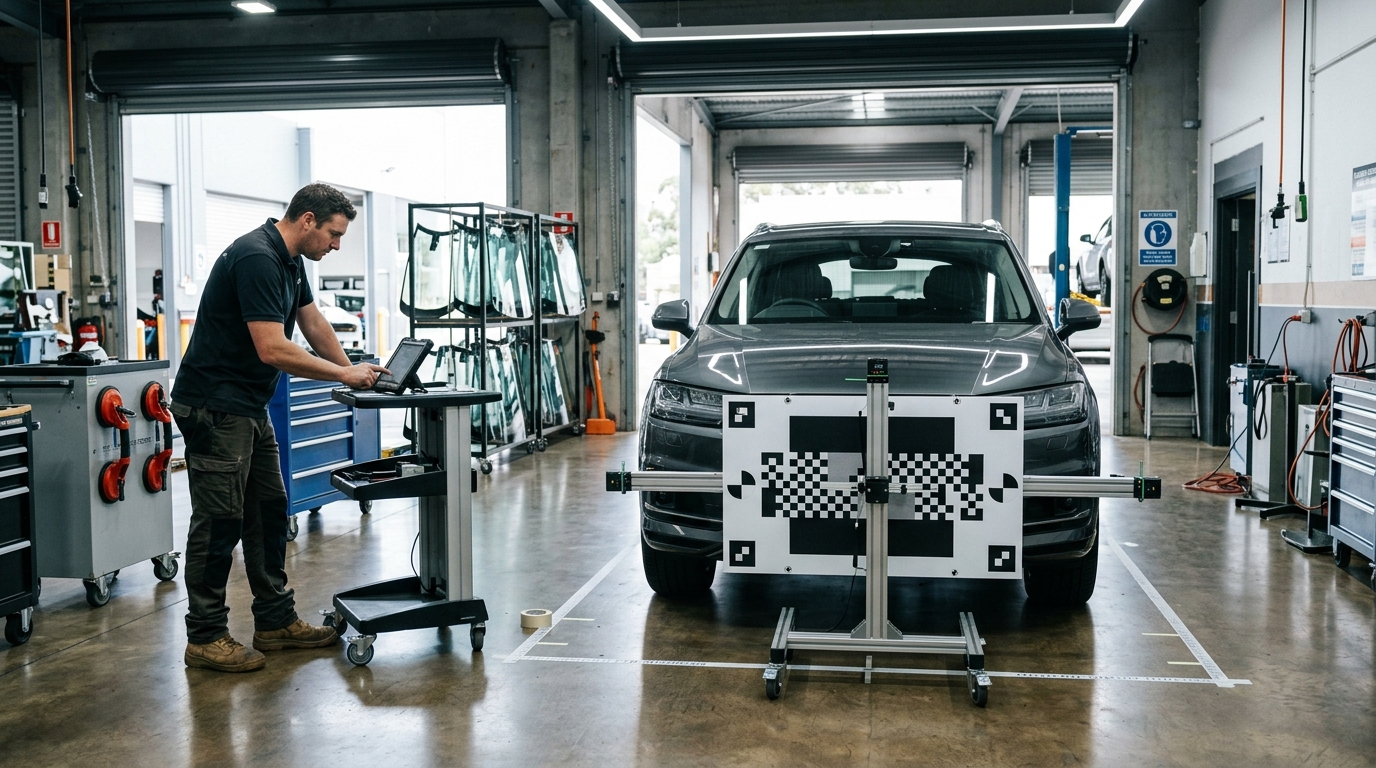
Repair costs also matter. A vehicle with advanced sensors, cameras, radar, aluminum body panels, panoramic glass, special tires, or expensive battery components may cost more to fix after a collision. Even a minor accident can become costly when calibration and electronic systems get involved.
Before buying, request insurance quotes for the exact year, make, model, and trim. Buyers comparing newer vehicles should also read Car Iron’s guide on automatic emergency braking in 2026, because safety technology can affect both accident prevention and repair complexity.
Maintenance is not the same for every vehicle
Routine maintenance varies by vehicle type. A gas vehicle may need oil changes, filters, spark plugs, belts, fluids, and traditional engine service. A hybrid may reduce brake wear through regenerative braking, but it still needs tires, fluids, inspections, and system checks. An EV may avoid oil changes, but it can still need tires, cabin filters, brake service, coolant checks, software updates, and battery-related attention.
AAA advises shoppers to factor in the full range of ownership expenses before committing to a vehicle. That advice matters because maintenance and repair costs arrive after the excitement of buying fades. A realistic buyer sets aside money for service from the beginning.
How to Compare Total Vehicle Ownership Costs Before Buying
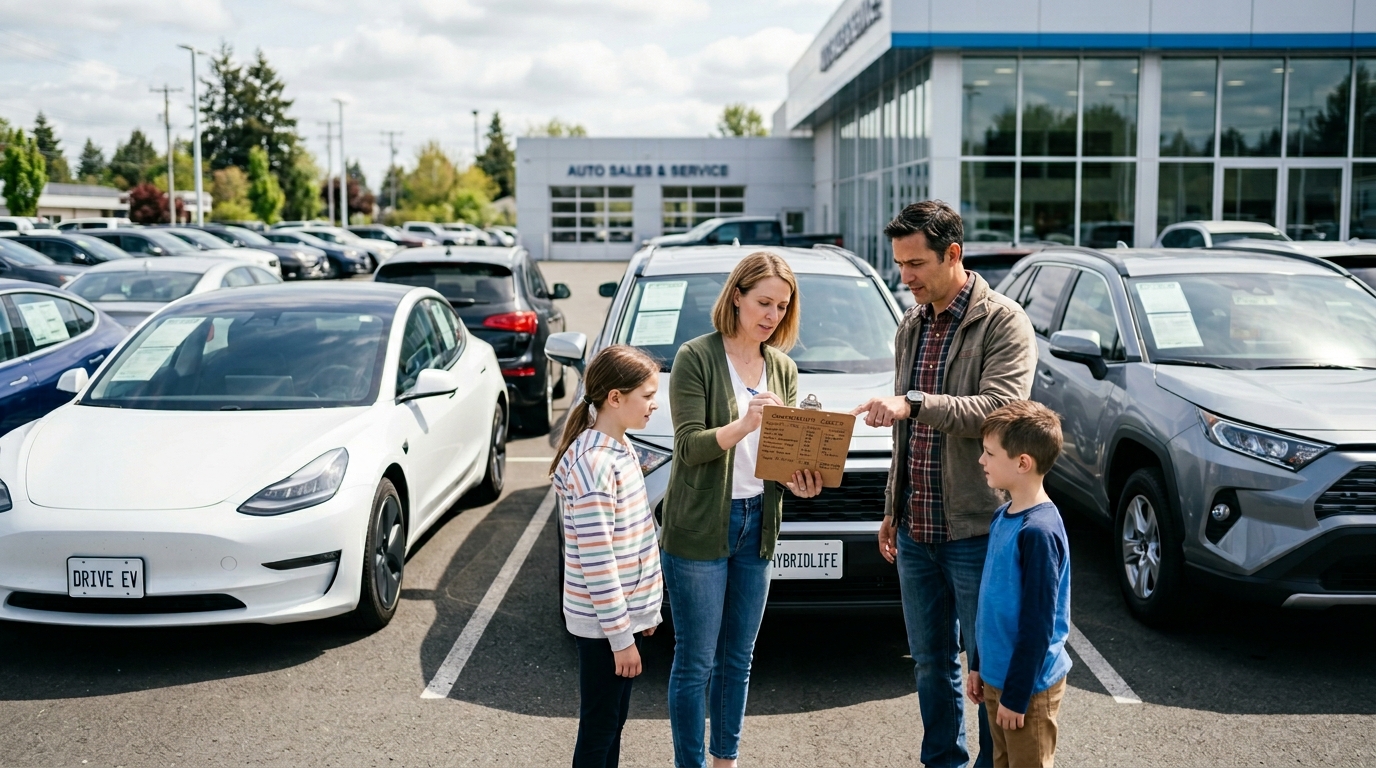
A smart car budget starts before the test drive. Buyers should write down the full monthly transportation number they can afford. That number should include the loan payment, insurance, fuel or charging, maintenance, repairs, registration, subscriptions, parking, tolls, and emergency savings.
Once that number is clear, compare vehicles based on how they fit inside it. A cheaper car with high fuel costs may not beat a slightly more expensive hybrid. An EV with home charging may save money for one buyer but cost more for another buyer who relies on public fast charging. A large truck may be useful, but it may not make financial sense for someone who rarely hauls or tows.
Fuel, charging, and driving habits should guide the choice
Fuel and charging costs depend on how much you drive and where you drive. A commuter with predictable daily miles may benefit from a hybrid, plug-in hybrid, or EV. A driver who takes frequent long trips may prefer a fuel-efficient gas vehicle or hybrid. Someone who can charge at home may see stronger EV savings than someone who depends on public chargers.
Car Iron’s guide on EV vs hybrid cost in 2026 explains why fuel prices, charging access, climate, and daily use can change the real savings. Buyers should compare energy costs using their own commute, not only national averages.
Used EV buyers should also check battery health before deciding that a lower price means better value. The article on used EV battery health in 2026 is a useful internal link for shoppers comparing pre-owned electric vehicles.
Subscriptions can turn features into monthly bills
Modern cars often include connected services, navigation, remote start, heated seats, driver-assistance tools, charging apps, advanced audio, and safety alerts. Some features stay included. Others may require a monthly or annual subscription after a trial ends.
Before buying, ask which features are permanent and which ones expire. A vehicle can feel affordable until the buyer realizes important convenience or tech features need recurring payments. Car Iron’s article on car feature subscriptions in 2026 can help shoppers avoid surprise bills.
Depreciation also deserves attention. A car loses value over time, and some models lose value faster than others. AAA notes that depreciation remains a major ownership cost. A buyer who plans to keep a car for many years may worry less about short-term depreciation, while someone who trades often should compare resale value carefully.
Used vehicles can reduce depreciation risk, but they also need inspection. A lower purchase price may come with older tires, worn brakes, expired warranties, hidden damage, or upcoming repairs. New vehicles may offer warranty coverage, but they often bring higher payments, insurance, taxes, and depreciation.
The best approach is to compare several vehicles in the same spreadsheet or notes app. Include out-the-door price, loan term, interest rate, payment, insurance quote, fuel or charging estimate, maintenance estimate, subscription cost, warranty coverage, and expected resale value. This makes the decision less emotional and more practical.
Car affordability in 2026 comes down to total value. A buyer should not choose a car only because the payment fits today. The vehicle should also fit next month, next year, and the full ownership period. Payments, insurance, repairs, fuel, subscriptions, depreciation, and financing all deserve attention before the buyer signs.
The smartest shoppers slow down and ask better questions. What is the real out-the-door price? What will insurance cost? How much fuel or charging will I use? Which features require subscriptions? What repairs could be expensive? How long do I plan to keep the car?
For Car Iron readers, the goal is not just buying a car. The goal is choosing a vehicle that supports your daily life without draining your budget. When you compare the full cost before purchase, car affordability becomes clearer, and the risk of buyer’s remorse drops.