EV vs hybrid cost in 2026 is one of the biggest questions for modern car buyers. Fuel prices keep changing, electric vehicle choices keep growing, and hybrids remain popular because they offer better efficiency without requiring a full charging lifestyle. On paper, both options can save money compared with a traditional gas-only vehicle. In real life, the better choice depends on how, where, and when you drive.
Many buyers start with one simple question: “Which one is cheaper?” That question matters, but it is too broad. A better question is: “Which one costs less for my commute, my weather, my parking situation, my charging access, and my long-term ownership plan?” That answer can change from one household to another.
This guide breaks down EV vs hybrid cost in 2026 in a practical way. It covers fuel prices, home charging, public charging, battery health, climate, road trips, subscriptions, and resale factors so buyers can compare the real ownership picture before choosing their next car.
Why EV vs Hybrid Cost in 2026 Is Trending With Buyers
Electric cars and hybrids are no longer niche choices. More brands now offer electric SUVs, plug-in hybrids, compact hybrids, hybrid trucks, electric sedans, and crossover options. Buyers who once only compared horsepower, MPG, and monthly payments now also compare battery range, charging connectors, battery warranty, software updates, and public charging access.
The International Energy Agency reports that global electric car sales are expected to rise again in 2026, reaching 23 million and accounting for close to 30% of cars sold worldwide. For buyers, that growth matters because it means more choices, more competition, more charging investment, and more used EV options over time. Readers can review the IEA Global EV Outlook 2026 update for broader market context.
Hybrids remain important because not every driver is ready for a full EV. Some people live in apartments. Others park on the street. Some take long highway trips, drive in extreme weather, or do not have reliable public chargers nearby. A hybrid can reduce fuel use without asking the driver to plan every week around charging.
Fuel prices make efficiency feel personal
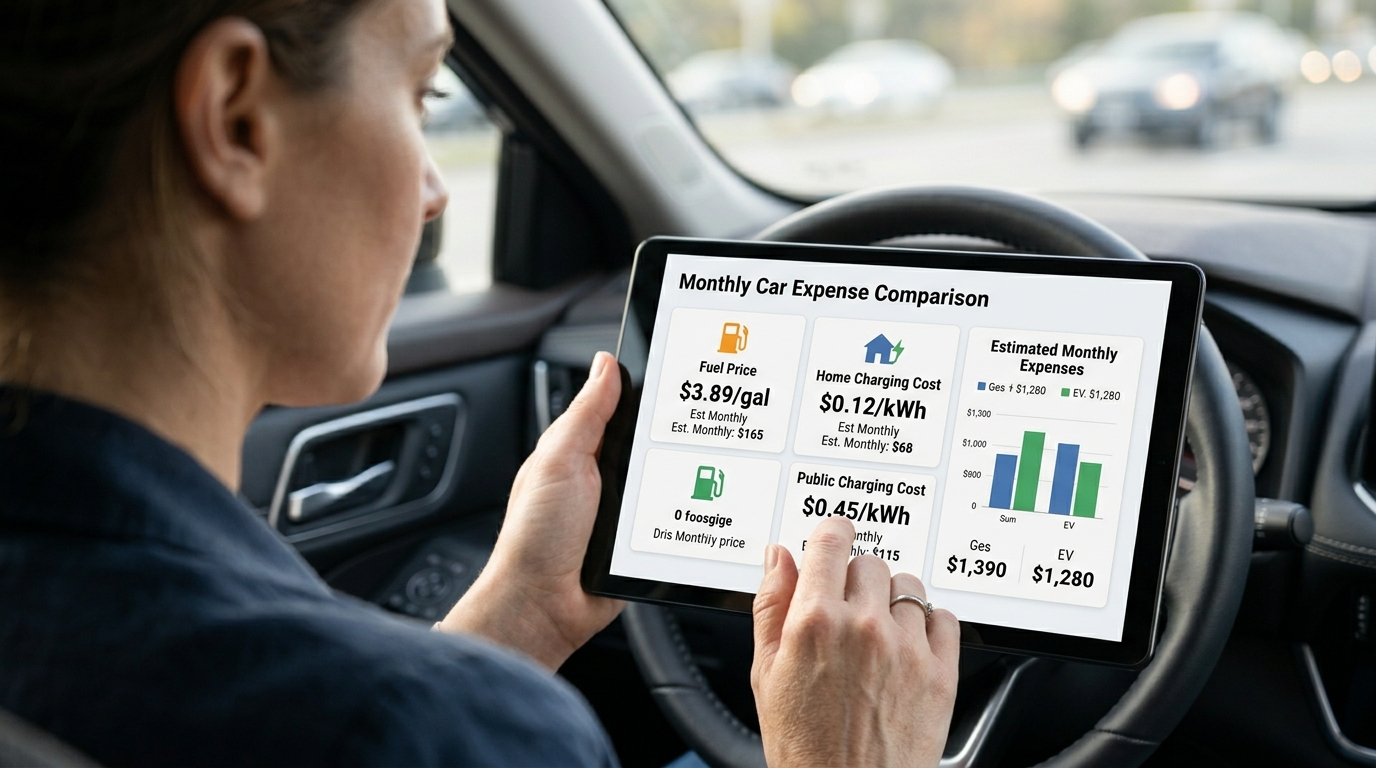
Fuel prices affect buyers emotionally because drivers see the cost every time they stop at the pump. When gas gets expensive, hybrid and EV interest usually rises. A hybrid may help reduce fuel spending immediately because it still uses gas but gets better mileage. An EV can reduce fuel dependence even more if the owner can charge at home at reasonable electricity rates.
That last part matters. EV savings look strongest when home charging is available. Public fast charging can cost more, especially on road trips or during peak pricing. A driver who relies mostly on public chargers may not save as much as a homeowner who charges overnight in the garage.
Home charging can change the EV math
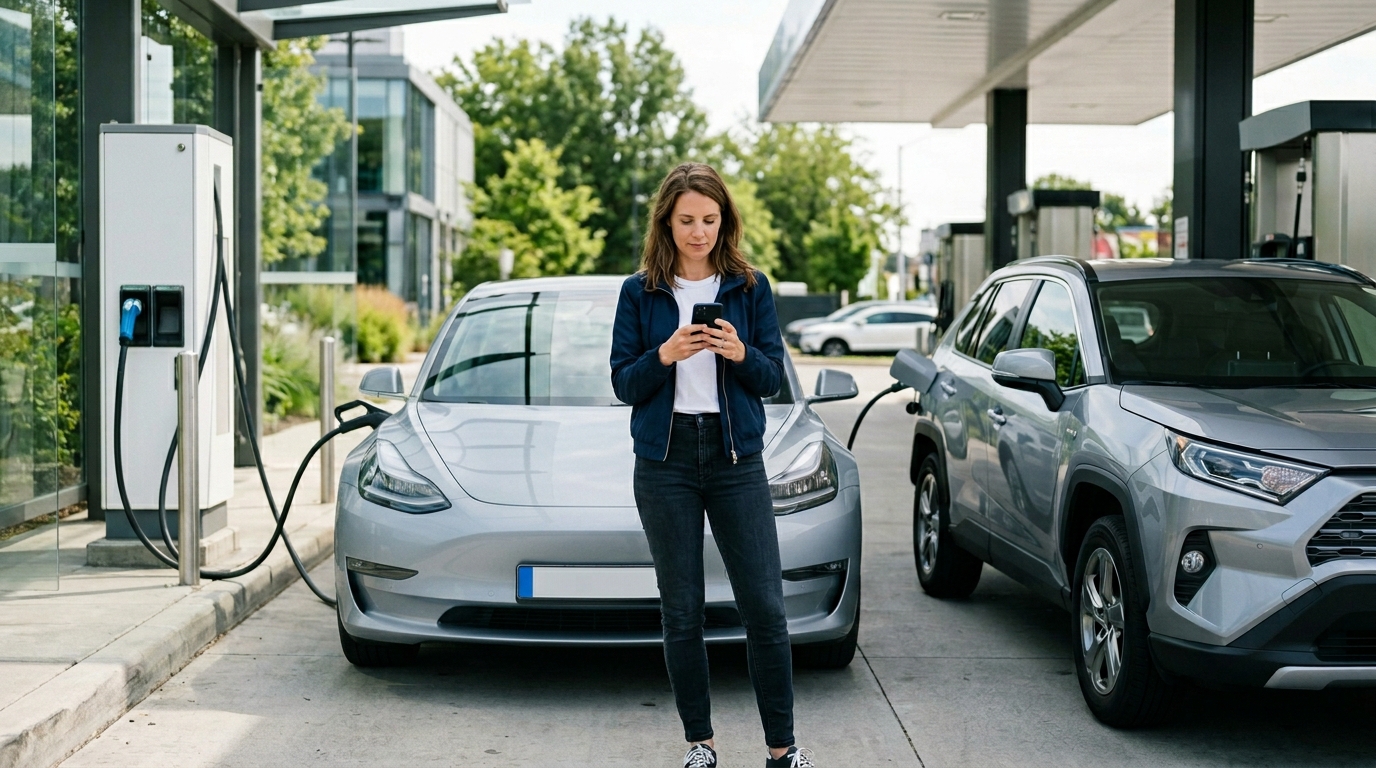
Home charging is one of the biggest advantages for EV owners. A driver can plug in at night and start the next morning with enough range for daily use. This can make EV ownership feel easier and cheaper than stopping for gas or using public chargers every week.
Before buying, estimate the cost of installing a Level 2 charger if needed. Also check your electricity rate, parking setup, panel capacity, and local rules if you rent or live in a condo. A good EV deal can become frustrating if you discover too late that home charging is difficult.
Public charging can reduce the savings
Public charging is useful, but it should not be treated as one simple price. Level 2 charging, DC fast charging, subscription pricing, idle fees, peak rates, and network differences can all change the cost. Some fast chargers are convenient but expensive. Others may be cheaper but slower or less reliable.
This is why charging access should be checked before buying an EV. Car Iron’s guide on NACS EV charging in 2026 explains why connector type, adapter access, charging networks, and road-trip planning now matter to buyers.
Climate can change real-world EV and hybrid costs
Weather can affect both EVs and hybrids. Cold weather can reduce EV range because the battery and cabin heating system use more energy. Hybrids can also lose efficiency in cold weather because the engine needs to warm up and the vehicle uses more energy to heat the cabin.
Hot weather can also affect efficiency, especially when air conditioning and battery cooling work harder. The impact may not feel as dramatic as winter range loss, but it still matters for drivers in hot climates, long commutes, or heavy stop-and-go traffic.
AAA’s 2026 EV vs hybrid temperature testing found that cold weather had the greatest impact, especially for EVs, while heat caused smaller but meaningful losses for both hybrids and EVs. That means buyers should not compare only ideal range or EPA estimates. They should think about their actual climate and driving pattern.
Cold-weather buyers should plan for range loss
If you live in a colder region, an EV can still make sense, but you should buy with a realistic range buffer. A car that barely covers your commute in perfect weather may feel stressful when temperatures drop. Preconditioning while plugged in, using heated seats, keeping tires inflated, and charging at home can help manage winter range loss.
A hybrid may feel simpler for drivers who want fewer cold-weather charging concerns. It still uses more fuel in winter than in mild weather, but it does not require the same charging planning. The right answer depends on how far you drive, where you park, and how much backup range you want.
How to Choose Between an EV and a Hybrid Without Guessing
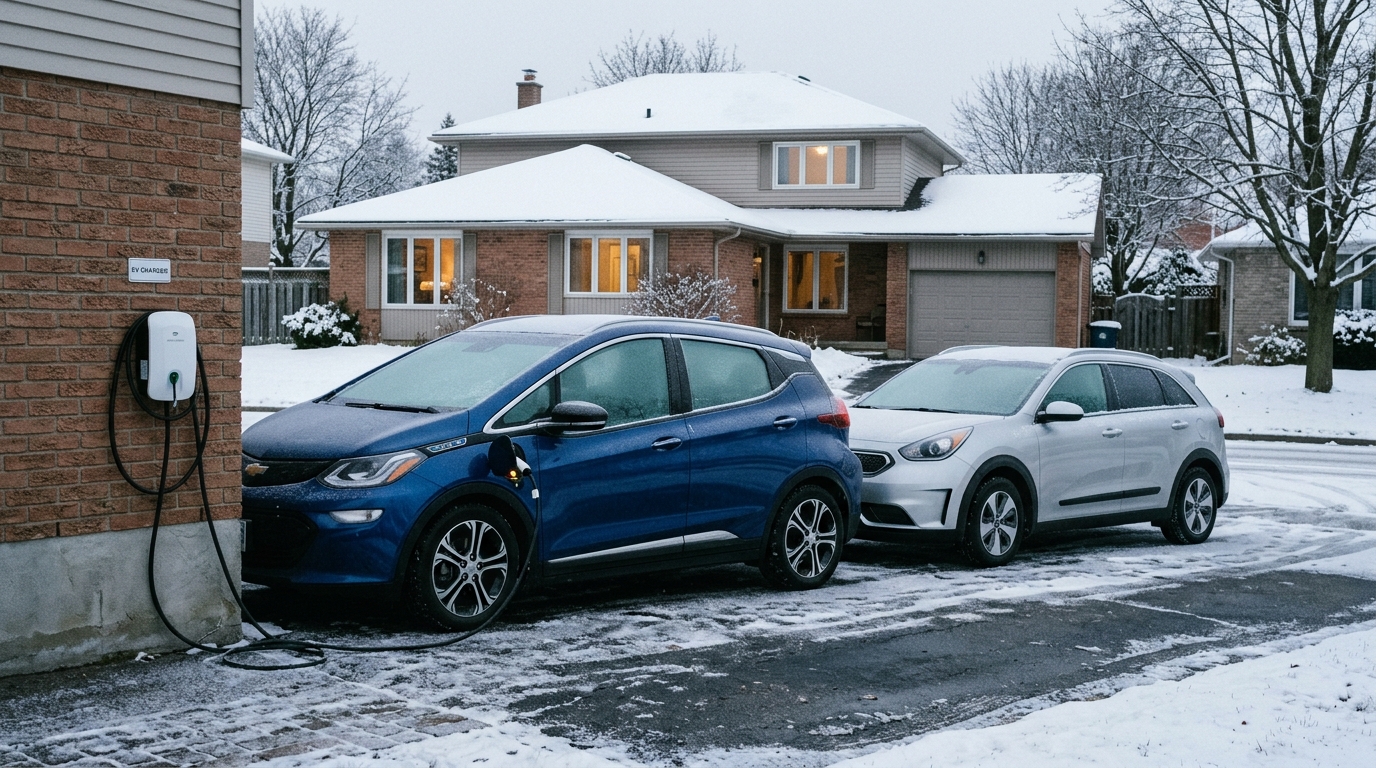
The best way to compare EV vs hybrid cost in 2026 is to build a personal ownership estimate. Do not rely only on advertised MPG, EV range, or monthly payment. Add fuel or charging cost, insurance, maintenance, battery warranty, tire replacement, subscriptions, resale value, and the cost of home charging equipment.
Start with your weekly driving. How many miles do you drive? Do you commute daily? Do you take road trips? Can you charge at home? How often do you use highways? Do you live where winters are cold or summers are very hot? These details matter more than general claims about EVs or hybrids being cheaper.
For buyers still deciding between hybrid types, Car Iron’s article on hybrid vs plug-in hybrid in 2026 is a useful next step because plug-in hybrids can sit between regular hybrids and full EVs.
Used EVs need a battery health check
A used EV can offer strong value, but battery health matters. Battery condition can affect range, charging speed, warranty confidence, resale value, and daily usability. A cheaper used EV may not be the best deal if the battery has lost too much usable range for your driving needs.
Ask for battery health information, warranty details, charging history if available, software update status, and real-world range expectations. During the test drive, check the estimated range, charging menu, battery settings, and whether the car supports the charging network you plan to use.
Car Iron’s guide on used EV battery health in 2026 fits perfectly here because a used EV purchase should never depend only on price and mileage.
Do not ignore software and subscription costs
Modern vehicles often include connected apps, navigation tools, charging route planners, remote start, safety alerts, and driver-assistance features. Some features stay standard. Others may expire after a free trial. A car that looks affordable can become more expensive if key tools require monthly payments.
Before buying, ask which features remain active permanently and which ones require subscriptions. This matters for both EVs and hybrids because software now affects charging, safety, maintenance alerts, navigation, and convenience. Car Iron’s article on car feature subscriptions in 2026 can help buyers avoid surprise costs.
Safety technology should also stay part of the comparison. Automatic emergency braking, blind spot monitoring, lane support, rear cross-traffic alert, and strong crash-test performance may matter more than a small fuel savings difference. If you are comparing newer models, read Car Iron’s guide on automatic emergency braking in 2026.
The bottom line is simple: EV vs hybrid cost in 2026 depends on your real life. An EV may save more if you can charge at home, drive predictable routes, and choose a model with enough range. A hybrid may make more sense if you lack charging access, drive long mixed routes, or want better fuel economy without changing habits.
Buyers should avoid one-size-fits-all advice. Compare the full ownership picture, not just the sticker price. Look at fuel, electricity, climate, charging access, battery health, software costs, insurance, maintenance, and resale value. The smartest choice is not always the most futuristic car. It is the vehicle that fits your daily drive, budget, and long-term comfort.
For Car Iron readers, the future of car buying is no longer only gas versus electric. It is about total value. The buyer who asks better questions before signing will usually enjoy a better ownership experience after the purchase.