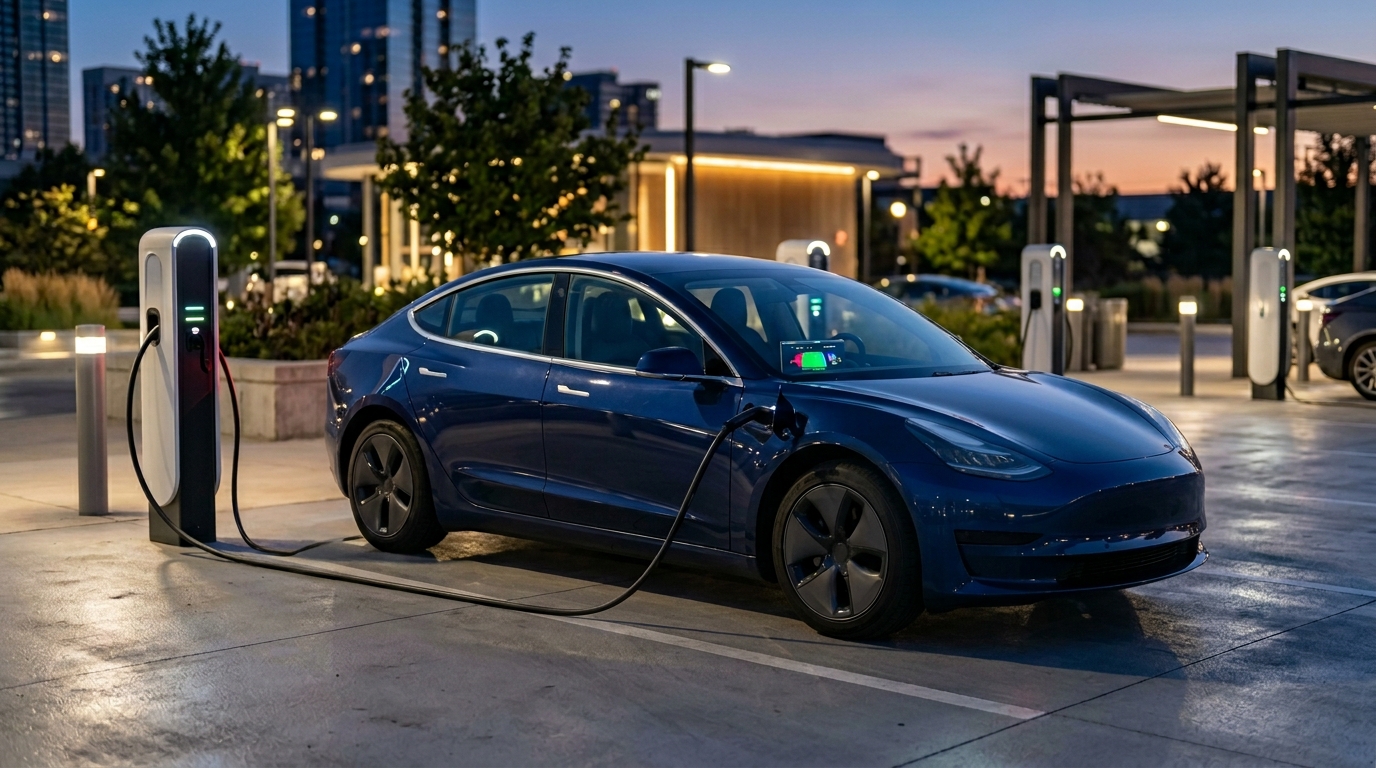
NACS EV charging is one of the biggest electric vehicle buying topics in 2026 because the charging plug on a car is no longer just a small technical detail. It can affect where you charge, what adapters you need, how easy road trips feel, and whether a used EV still feels future-ready a few years from now.
For years, many non-Tesla electric vehicles used CCS charging, while Tesla vehicles used the North American Charging Standard, now standardized as SAE J3400. That transition is changing how buyers compare new and used EVs. Some vehicles now come with a native NACS port. Others still use CCS but can access certain NACS chargers through approved adapters. That sounds simple, but buyers need to understand the difference before they sign paperwork.
This topic fits Car Iron because the site already covers modern vehicle technology, EV battery health, hybrids, driver-assistance systems, software-defined vehicles, and connected car safety. If you are comparing electric options, read this guide along with Used EV Battery Health in 2026, Hybrid vs Plug-In Hybrid in 2026, and In-Car AI Assistants in 2026.
Why NACS EV Charging Is Changing the EV Buying Conversation
The reason NACS EV charging is trending is practical: charging convenience remains one of the biggest questions for EV shoppers. A car may have good range, strong acceleration, and a beautiful cabin, but if the driver is confused about connectors, adapters, apps, and station access, ownership can feel stressful. The charging standard shift is supposed to make things easier, but the market is still in a transition period.
For buyers, this means the question is no longer only, “How far can this EV drive?” A smarter question is, “Where can this exact vehicle charge, and what does it need to charge there?” That includes home charging, public Level 2 stations, DC fast charging, road-trip networks, software authorization, and approved adapters.
What NACS means for everyday drivers
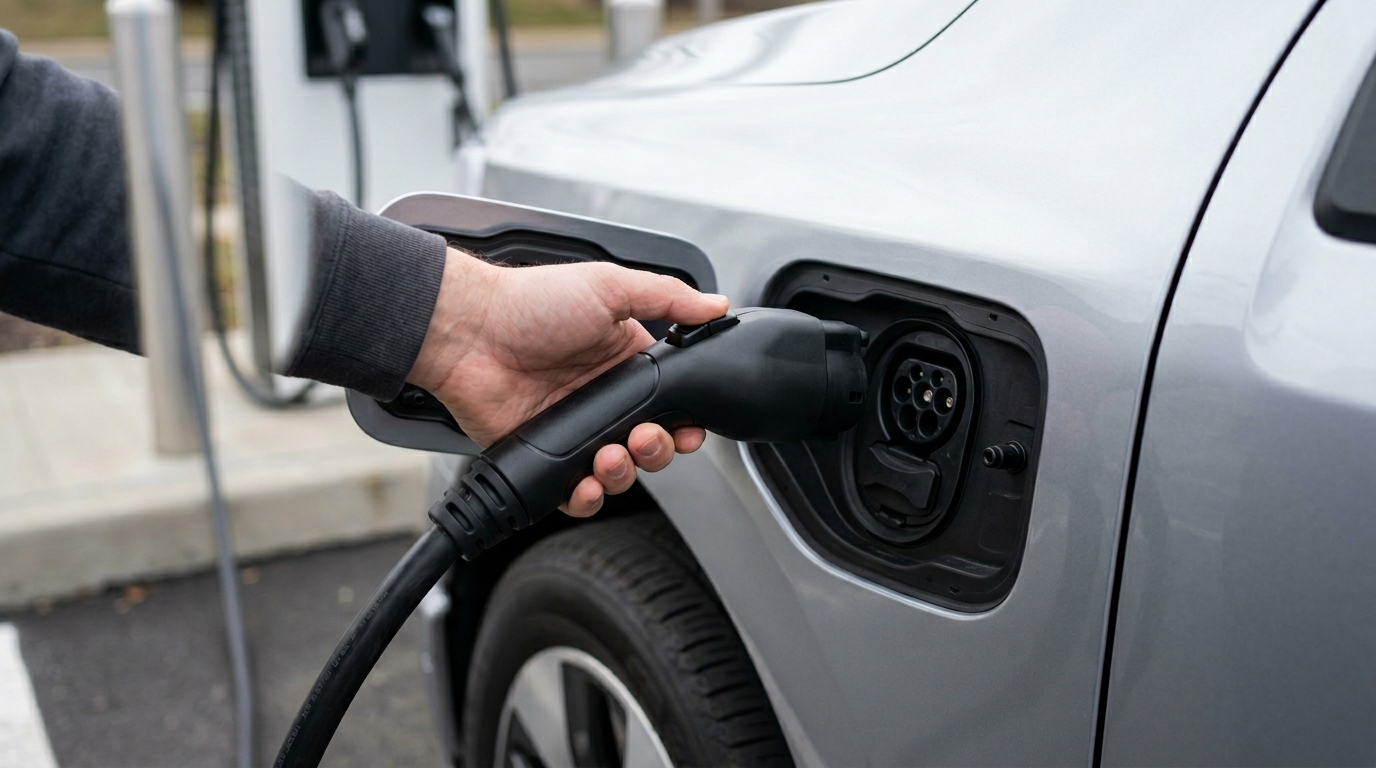
NACS is a charging connector design that can support both AC charging and DC fast charging. For everyday drivers, the appeal is a smaller connector and wider access to charging locations as more automakers and charging networks support the standard. DriveElectric.gov explains that NACS is one of several connector types for fast charging, along with CCS1 and CHAdeMO, and that it can also support Level 1 and Level 2 charging through adapter compatibility. Readers can review the official overview at DriveElectric.gov’s SAE J3400 Charging Connector guide.
The important point is that a connector does not automatically guarantee a perfect charging experience. The car, station, payment system, adapter, software, battery temperature, and charging curve all still matter. A buyer who understands those details will avoid many of the frustrations that make EV ownership feel harder than it needs to be.
1. Native NACS and adapter access are not the same
A native NACS vehicle has the NACS-style port built into the car. Adapter-enabled access means the vehicle may still have a CCS port but can use certain NACS chargers with an approved adapter. These two situations are not identical. Native access is usually cleaner and simpler. Adapter access can still be useful, but it adds another piece of hardware that must be stored, carried, and used correctly.
When shopping, do not accept vague phrases like “Tesla charging compatible” without details. Ask whether the car has a native NACS port or needs an adapter. Ask which network access is enabled. Ask whether the vehicle needs a software update. Ask whether the adapter is included, approved by the automaker, and covered by warranty.
2. Charging speed still depends on more than the plug
A common mistake is assuming the connector controls the entire charging speed. It does not. Charging speed depends on the vehicle’s maximum DC fast-charging rate, the station’s power output, battery temperature, state of charge, charging curve, and whether the station communicates properly with the car.
For example, two EVs may both use NACS, but one may charge much faster because it has a better battery architecture or a stronger charging curve. Another vehicle may start fast but slow down quickly as the battery fills. That is why buyers should compare real charging performance, not just connector type.
Why used EV buyers should pay attention
Used EV buyers need to be especially careful in 2026 because the market includes vehicles from different connector eras. Some used EVs have CCS ports. Some have Tesla-style ports. Some can access additional stations through adapters. Some may require updates or brand-specific enrollment before they can use certain networks. If you buy based only on price and range, you may miss a major ownership detail.
This is also why charging access should be checked together with battery health. A used EV with a healthy battery is valuable, but it should also fit your charging routine. A short-range used EV can still be excellent for commuting if you charge at home. A longer-range EV may be better for road trips, but only if it charges reliably on the routes you use.
3. Check adapter approval before you count on Supercharger access
Adapters are not all equal. Buyers should be careful with cheap, unapproved, or unknown third-party adapters, especially for DC fast charging. High-power charging creates heat and electrical load, so using the wrong adapter is not worth the risk. Always follow the automaker’s instructions and the charging network’s rules.
If a seller says an adapter is included, inspect it. Confirm the brand, rating, condition, and compatibility. Ask whether it came from the automaker or an approved supplier. If the car needs an app or account activation to use certain chargers, confirm that process before relying on it for a road trip.
How to Shop Smarter During the Charging Transition
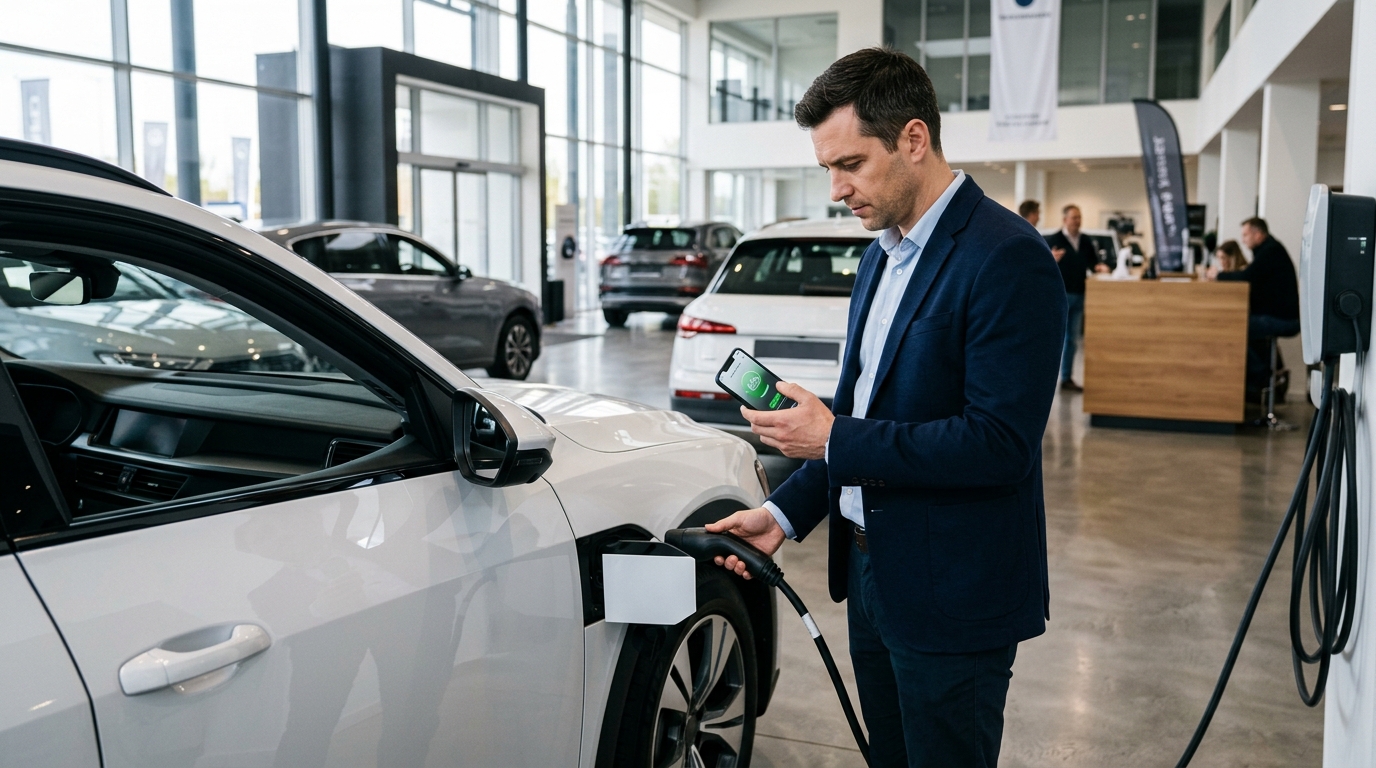
The best way to shop during the NACS transition is to treat charging like a core ownership cost, not a side detail. Buyers should compare the vehicle, the charging port, the adapter situation, home charging options, public charger availability, and daily driving needs together. A car that works perfectly for one person may be annoying for another if their charging access is different.
Start with your real routine. How many miles do you drive daily? Can you charge at home? Do you park in a garage, driveway, apartment lot, or workplace? Do you take long road trips? Do you live near reliable DC fast chargers? Do you need one car for every trip, or is this a second vehicle?
Questions to ask before buying a 2026 EV
Before buying a new or used EV, ask direct questions. What charging connector does this vehicle have? Is it native NACS, CCS, or adapter-enabled? What charging cable is included? What public networks can it use today? Are there upcoming software updates? Does the navigation system route to compatible chargers? Does the battery precondition before fast charging?
Also ask how the car handles charging data. Modern EVs are software-heavy, and charging features often depend on apps, over-the-air updates, payment systems, and location data. That makes Car Iron’s guide to Connected Car Cybersecurity in 2026 a useful companion topic. Convenience is important, but digital trust matters too.
4. Plan for home charging and backup routes
Home charging is still the easiest way to make EV ownership feel smooth. If you can charge overnight, public fast charging becomes a backup instead of a weekly chore. Before buying, estimate whether Level 1 charging is enough for your commute or whether you need a Level 2 home charger. If you rent, ask about charging rules before assuming you can install equipment.
For road trips, build a backup plan. Check routes using more than one charging app. Look for stations with the connector or adapter support your vehicle needs. Keep the battery buffer realistic, especially in cold weather, heavy traffic, mountains, or high-speed driving. Charging plans do not need to be stressful, but they do need to be honest.
NACS EV charging is not just a trend for technology fans. It is becoming part of normal EV buying. The right connector and charging access can make an electric car easier to live with, easier to road-trip, and easier to resell. The wrong assumptions can create frustration after the purchase.
The bottom line is simple. Do not buy an EV in 2026 without understanding how it charges. Check whether the vehicle has native NACS or adapter-enabled access. Verify approved adapters. Compare real charging speed. Think about home charging. Review battery health. Then choose the car that fits your daily life, not just the one with the best headline range.
For Car Iron readers, the future of car buying is no longer only about engines, styling, or brand loyalty. It is about software, safety, charging, batteries, and long-term usability. NACS EV charging is one more reminder that smart buyers need to look beyond the badge and ask better questions before choosing their next ride.