Car feature subscriptions are becoming one of the biggest questions for modern car buyers in 2026. Not long ago, shoppers mainly compared engine size, fuel economy, cargo space, safety ratings, and monthly payments. Today, buyers also need to ask whether navigation, remote start, driver assistance, app controls, Wi-Fi, vehicle health reports, and even performance features will keep working after a free trial ends.
This shift can feel frustrating because many drivers still think of a car as something they fully own after purchase. If the hardware already sits inside the vehicle, it feels strange to pay again just to unlock or continue using it. At the same time, automakers argue that connected services need ongoing software support, cloud systems, map updates, security maintenance, and customer service. The result is a new buying reality: the window sticker may not show the full long-term cost.
The point is not that every subscription is bad. Some services can be useful, especially if they improve safety, security, navigation, or convenience. The real issue is transparency. A buyer should know what comes standard, what expires, what costs extra, and what happens when the subscription stops. Smart shopping now means comparing both the car and the digital services attached to it.
Car Iron already covers related technology topics like what is a software-defined car and in-car AI assistants in 2026. This guide focuses on the buyer’s side: how to understand car feature subscriptions before they quietly increase your ownership costs.
Why Car Feature Subscriptions Are Trending in 2026
Modern vehicles are becoming more like connected devices. Automakers now use software to control infotainment, navigation, safety alerts, driver-assistance settings, charging tools, vehicle health reports, remote access, and personalized dashboard experiences. That creates more opportunities for updates, but it also gives manufacturers more ways to charge after the sale.
For buyers, the change can be confusing. A vehicle may include a feature during the test drive because a free trial is active. Six months or one year later, that same feature may require a monthly or annual payment. If the buyer did not ask the right questions, the added cost can feel like a surprise.
Software-defined cars made monthly features easier
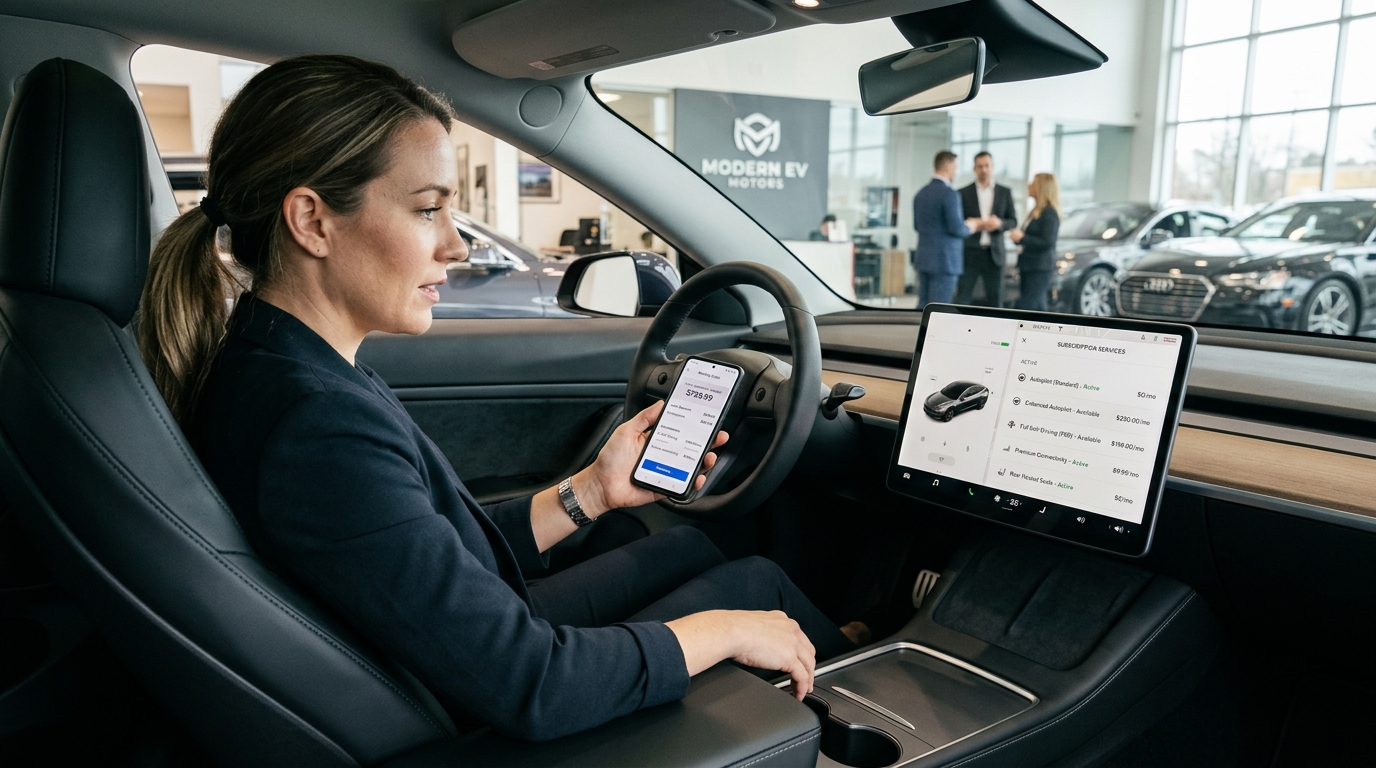
Software-defined cars can receive updates and feature changes after purchase. This can be helpful when an update improves a system, fixes a bug, enhances navigation, or adds a useful tool. A car may feel less outdated when the software keeps improving over time.
However, the same technology can also make feature lockouts easier. A car may have the hardware for a function, but software decides whether the driver can use it. That is where many buyers become uncomfortable. A feature may feel “included” because the car physically has the screen, sensor, camera, or control button, yet access may still depend on a paid plan.
Separate safety features from convenience features
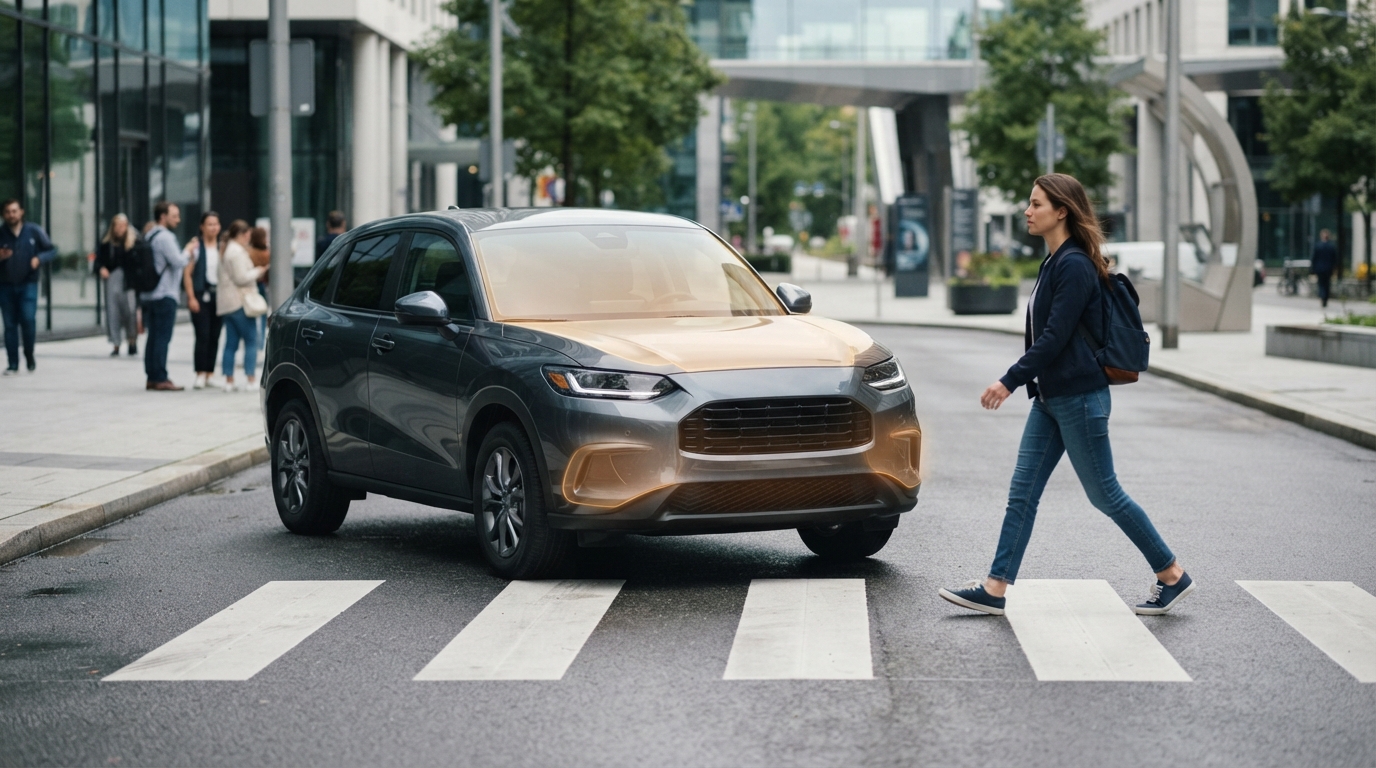
Before buying, separate must-have safety features from nice-to-have convenience features. Automatic emergency braking, blind-spot monitoring, lane support, and collision warnings should be checked carefully because they affect everyday driving confidence. Car Iron’s guide on automatic emergency braking in 2026 explains why safety tech deserves extra attention.
Convenience features are different. Remote start, premium navigation, app-based lock controls, entertainment apps, concierge services, and Wi-Fi may be useful, but not every buyer needs them. If you rarely use those tools, paying monthly may not make sense.
Not all subscriptions are bad, but unclear costs are a problem
Some subscriptions provide real value. Stolen vehicle location, emergency assistance, live traffic, map updates, remote climate control, charging station tools, and hands-free highway systems can help certain drivers. Families, commuters, road-trippers, EV owners, and people who park outdoors may benefit more than casual drivers.
The problem starts when pricing, trial length, and feature limits are unclear. A buyer may assume an app is free because the salesperson demonstrates it during the test drive. Later, the owner learns that the free period ended and the feature now requires payment. That kind of surprise can damage trust.
Watch the free trial trap
Free trials are common with connected services. They can be useful because they let you test the feature before paying. Still, a free trial can also hide the real ownership cost if you forget to ask what happens next.
Ask the dealership or seller direct questions. How long is the trial? What features expire? How much does renewal cost? Can you cancel anytime? Does the price change after the first year? Will the feature transfer to the next owner if you sell the car? Clear answers matter before signing paperwork.
How to Shop for a Car Without Subscription Regret
A smart buyer should treat car feature subscriptions like insurance, fuel, maintenance, tires, and financing. They are part of the ownership cost. A low monthly car payment can become less attractive if the features you care about require several added subscriptions.
For broader buying context, Deloitte’s 2026 Global Automotive Consumer Study says consumers are seeking more fairness, trust, transparency, and value as affordability pressure rises. You can review the study here: Deloitte 2026 Global Automotive Consumer Study.
Questions to ask before buying
Start with simple questions. Which features are standard forever? Which features are free only during a trial? Which services need a paid app plan? Does the car require a subscription for remote start, navigation, hands-free driving, vehicle health reports, emergency services, or Wi-Fi?
Then ask about updates and data. Does the vehicle receive over-the-air updates? Can you decline updates? What data does the car collect? Can you turn off data sharing? Car Iron’s article on connected car cybersecurity in 2026 is a helpful companion because subscriptions often connect with apps, accounts, data, and cloud services.
Check used cars for expired services

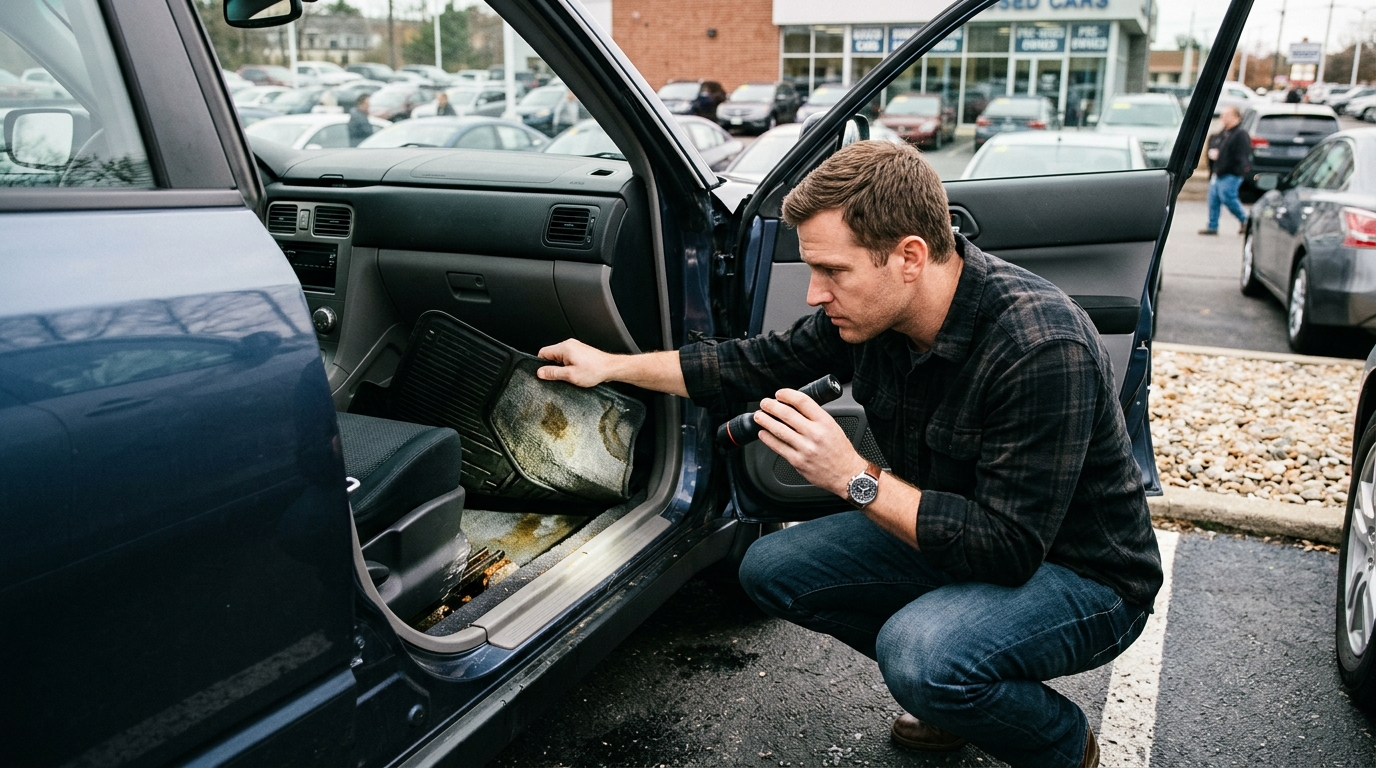
Used-car buyers need to be even more careful. A listing may mention connected services, navigation, remote controls, or driver-assistance tools, but that does not mean every feature remains active. The original trial may have expired. The previous owner may have cancelled the account. Some services may require reactivation or a new subscription under your name.
During the test drive, open the settings menu and check what works. Ask for the original window sticker, owner account details, service history, and feature list. Do not rely only on badges, buttons, or sales photos. A button on the dashboard does not always mean the feature is active.
Compare lifetime cost before signing
Monthly fees can look small, but they add up. A $10 monthly service costs $120 per year. A $25 monthly service costs $300 per year. Over five or seven years, those charges can become a real part of the car’s cost.
Before buying, make a simple ownership-cost list. Include the car payment, insurance, fuel or charging, maintenance, tires, registration, expected repairs, and subscriptions. If the car is electric, also review battery and charging concerns with Car Iron’s guide on used EV battery health in 2026. Modern ownership is no longer only mechanical. Software costs now matter too.
Car feature subscriptions are not going away. Automakers see connected services as a major part of future revenue, and buyers will keep seeing more vehicles with app-based tools, software unlocks, and paid digital packages. That makes preparation more important than frustration.
The best strategy is simple. Ask direct questions, test the technology, read the feature list, check trial dates, compare renewal prices, and decide which services actually improve your daily drive. A smart car should make ownership easier, not quietly charge you for features you thought you already bought.
In 2026, the best car buyer is not just comparing horsepower, trim levels, and monthly payments. They are also checking software, subscriptions, privacy, updates, and long-term value. That extra homework can help you choose a vehicle that feels modern without turning your driveway into another stack of monthly bills.