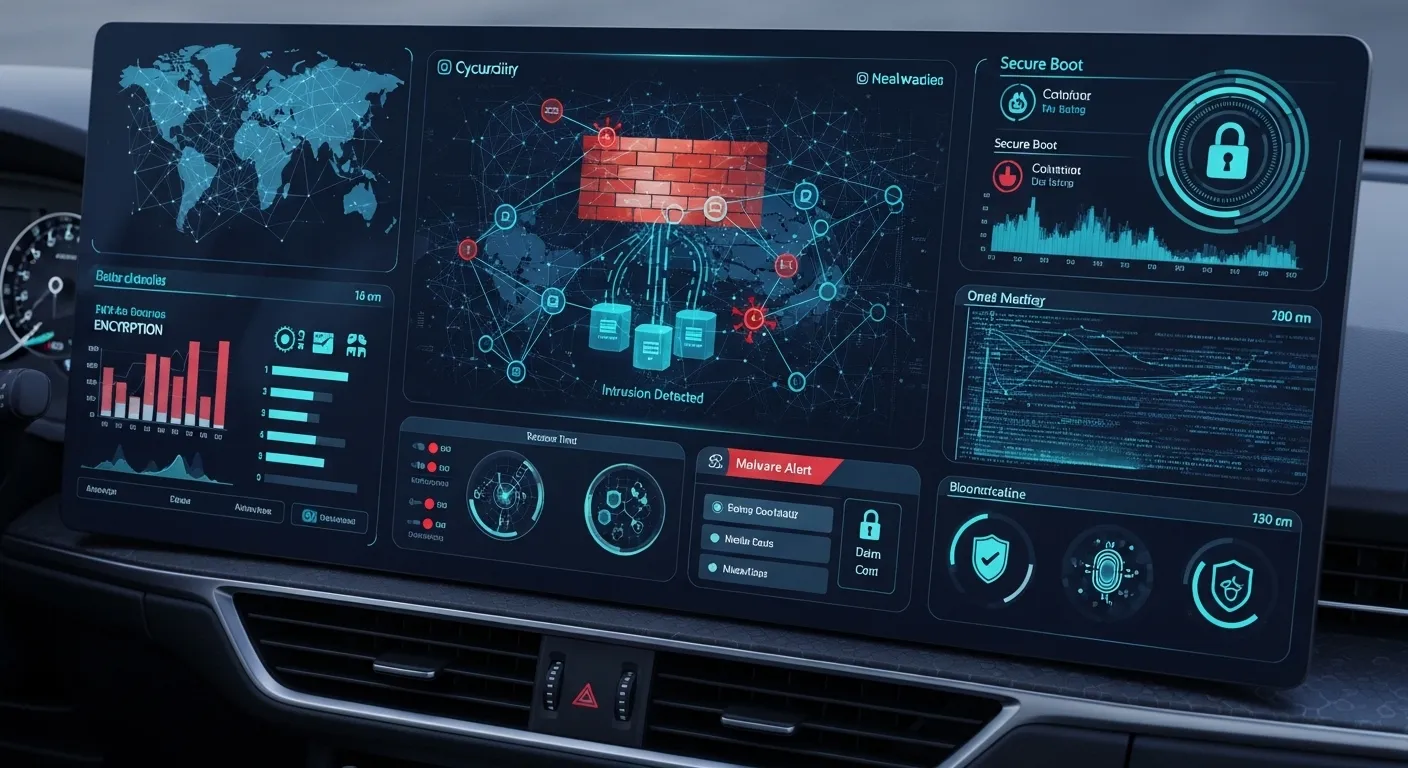
Cars are no longer just machines with engines, wheels, and a radio. In 2026, more vehicles are behaving like connected digital devices on wheels. They receive software updates, sync with apps, collect data, talk to cloud services, support remote functions, and rely on increasingly complex software to manage everything from navigation to driver assistance. That is exactly why connected car cybersecurity in 2026 has become a real buying issue instead of a niche topic for engineers.
A lot of drivers still shop for tech the wrong way. They focus on the size of the touchscreen, wireless phone integration, voice assistants, driver profiles, remote start, and app-based convenience. Those things matter, but they are not the full story anymore. The smarter a car becomes, the more important it is to ask how well that intelligence is protected.
This does not mean buyers should panic every time a car has an app or receives over-the-air updates. It means they should stop assuming that connected automatically means safe. Smart features can improve convenience, safety, and long-term vehicle value, but they also create more entry points, more data flows, and more dependence on software support after the sale.
If you have already read CarIron’s posts on software-defined cars, what makes a modern car smart, and how connectivity is changing the way we drive, this is the next logical step. The more connected cars become, the more cybersecurity becomes part of the ownership experience.
Why Connected Car Cybersecurity in 2026 Matters More Than It Used To
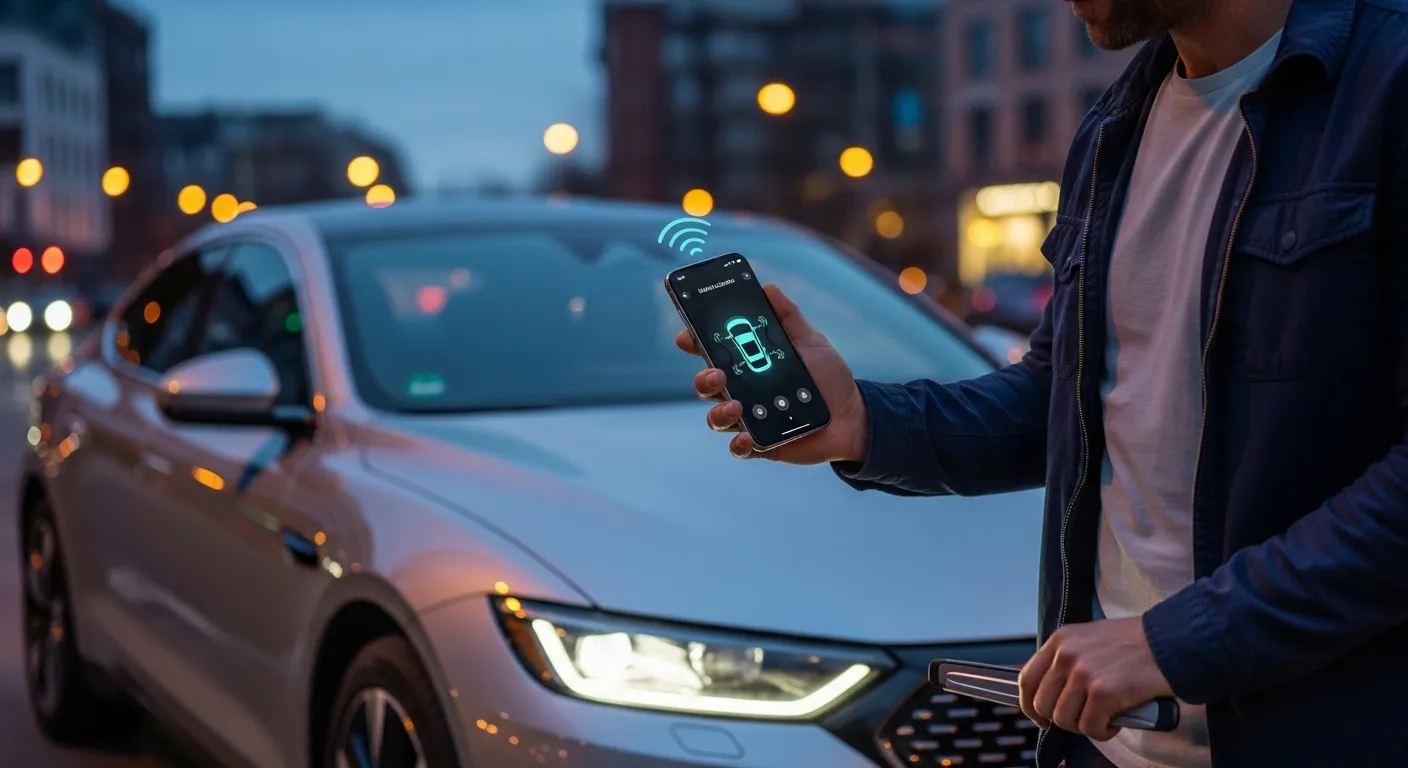
Ten years ago, cybersecurity sounded like a problem for laptops and company networks. Today, it is a real automotive concern because modern vehicles depend on software far more than older cars ever did. Infotainment systems, telematics, digital keys, remote apps, cloud-connected diagnostics, advanced driver assistance, and even some maintenance functions all increase the amount of digital activity tied to one vehicle.
That matters because more connectivity means more potential exposure. A connected car does not need to be “hacked” in some movie-style way to create risk. Problems can come from weak app security, poor update practices, exposed data, third-party integrations, weak supplier software, or a brand that does not support its vehicles well after launch.
In other words, the question is no longer just “Does this car have cool tech?” The smarter question is “How well is that tech managed over time?”
What Buyers Usually Get Wrong
The most common mistake buyers make is assuming cybersecurity is only the manufacturer’s problem. That is only partly true. Automakers carry the big responsibility, but consumers still make choices that affect their exposure. Picking a vehicle with poor software support, ignoring updates, using weak account passwords, or blindly trusting every app-based feature can all make ownership less secure than it should be.
Another mistake is thinking only luxury EVs or premium brands are affected. That is outdated. Connectivity is spreading across far more segments, and many mainstream vehicles now include companion apps, digital interfaces, cloud-connected services, and software-managed systems. As those features move into the middle of the market, the cybersecurity conversation becomes more relevant to ordinary buyers, not less.
It is similar to what CarIron already discussed in The Role of Artificial Intelligence in the Future of Car Design. The smarter the systems get, the more buyers need to think beyond appearance and feature count.
The Five Smartest Questions to Ask Before Buying
1. Does This Vehicle Receive Over-the-Air Updates?
Over-the-air updates can be a big advantage. They can improve usability, patch software weaknesses, refine safety functions, and keep the vehicle more current over time. But the feature only helps if the automaker actually uses it well. Some brands are much stronger than others when it comes to software support.
Ask whether the car receives OTA updates, what systems can be updated, and how often the brand tends to issue meaningful improvements. A connected car that never gets real support can age fast.
2. How Long Will the Software Be Supported?
This question is becoming just as important as the warranty. Buyers are used to asking about powertrain coverage, but modern vehicles also need software support, bug fixes, and compatibility maintenance. If a vehicle’s software ecosystem is neglected too early, the ownership experience can start feeling outdated long before the hardware wears out.
3. What Data Does the Car Collect?
Modern cars can collect a surprising amount of information. Depending on the vehicle and services enabled, that may include location data, driver behavior, usage habits, remote-access activity, charging behavior, and connected-device details. That does not automatically make the car a bad choice, but buyers should know what is being gathered and how transparent the brand is about it.
4. How Secure Is the Mobile App?
For many owners, the smartphone app is now the front door to the vehicle. It may handle remote start, lock and unlock, vehicle location, charging controls, maintenance alerts, or driver profile access. That makes app security a real part of vehicle security. If the app experience feels sloppy, outdated, or poorly reviewed, do not ignore that just because the car itself looks great.
5. Is the Smart Tech Actually Useful?
Not every connected feature improves ownership. Some are there because they look good in marketing. Buyers should ask whether the connected tools genuinely improve safety, convenience, efficiency, or long-term value. Useful smart tech is worth having. Bloated tech just adds complexity.
Why Software-Defined Cars Raise the Stakes
Software-defined cars are one of the biggest reasons connected car cybersecurity in 2026 matters so much. When a vehicle is increasingly shaped by software instead of fixed hardware behavior, that vehicle depends more heavily on update quality, code integrity, cloud services, and digital architecture.
That is not automatically bad. In fact, software-defined vehicles can improve over time in ways older cars never could. Interfaces can get cleaner, driver-assistance features can be refined, energy management can improve, and bugs can be fixed without a trip to the dealer. But that same model also means software governance is not optional. It becomes part of vehicle quality.
That is why this topic connects directly to CarIron’s existing article on Software-Defined Cars: Why 2026 Vehicles Keep Getting Smarter After You Buy Them. Smart vehicles are more flexible, but they also require more trust in the systems behind them.
EVs, Hybrids, and Connected Risk
Electrified vehicles make this conversation even more interesting. Battery management, route planning, charging coordination, thermal control, and energy optimization are all increasingly software-led experiences. That means cybersecurity and software reliability are not side issues in EVs and hybrids. They are part of how the vehicle works every day.
This does not mean EVs are somehow uniquely unsafe. It means their ownership experience is more digital by nature. If the software layer is weak, the experience can feel less polished and less dependable than buyers expect. That ties neatly into CarIron’s earlier post on Hybrid vs. Electric, because the future of electrified driving is about software as much as hardware now.
What Good Connected-Car Ownership Looks Like
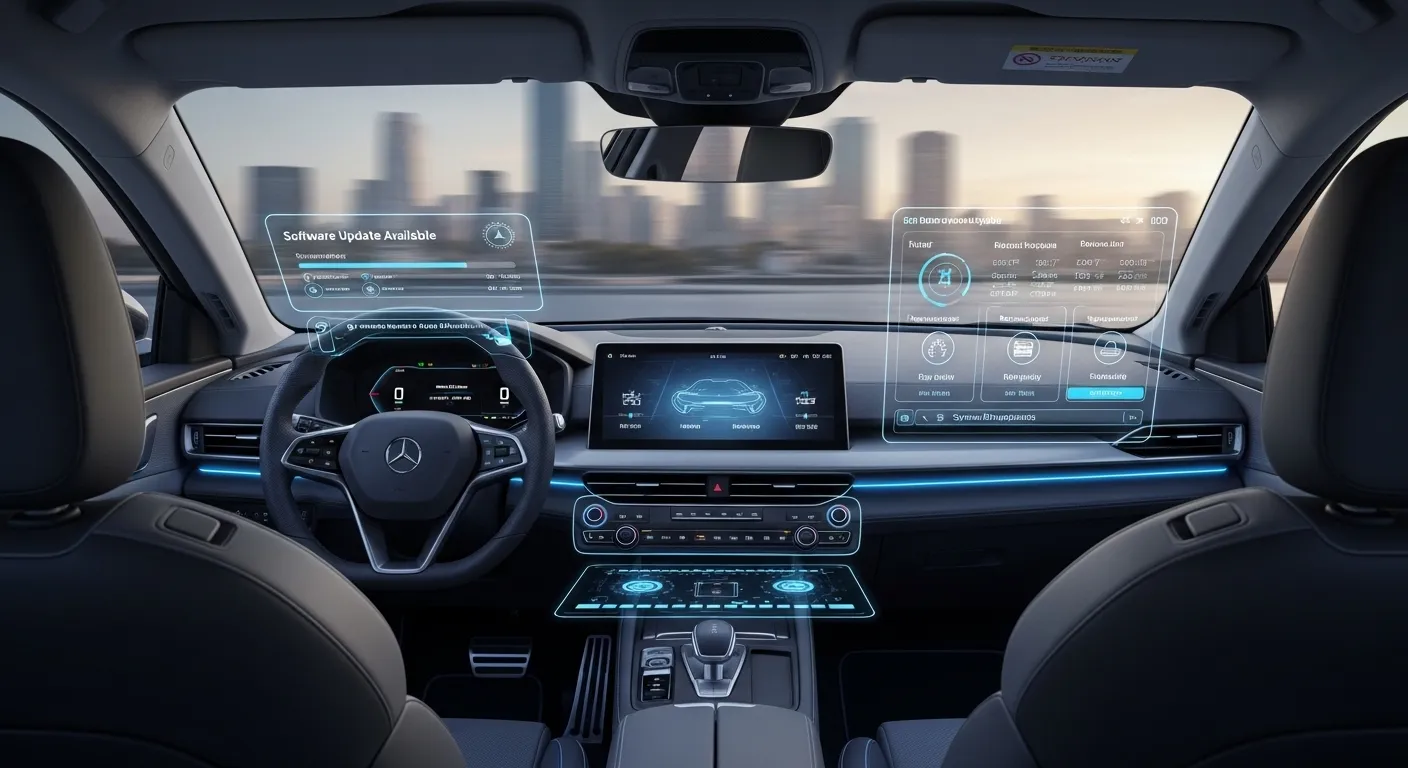
A well-managed connected car should feel better with time, not more frustrating. The app should work reliably. Updates should be clear and useful. Security settings should not feel buried or confusing. Privacy choices should be visible. The brand should communicate about software changes instead of treating them like invisible background noise.
For buyers, that means a great ownership experience in 2026 is no longer only about acceleration, styling, or screen quality. It is also about digital trust. Does the carmaker behave like a company that will actively support the product after you drive it off the lot?
This also connects naturally to The Future of Driving, because the future is not just more connected. It is more dependent on whether those connected systems are maintained responsibly.
Simple Steps Owners Should Take After Buying
Even buyers who choose the right vehicle still need to be smart after purchase. A few basic habits go a long way:
- Install software updates instead of ignoring them for months
- Use strong passwords on connected-car accounts
- Turn on multi-factor authentication if available
- Review privacy and app permissions instead of accepting everything blindly
- Pay attention to recall notices and service alerts related to software
- Remove old user access if you sell the car or share it temporarily
None of that is dramatic, but it matters. A smart vehicle should be treated like a connected product, not just a mechanical object.
Final Thoughts
Connected car cybersecurity in 2026 matters because cars are becoming more digital, more update-driven, and more dependent on software over time. Buyers do not need to become cybersecurity experts, but they do need to stop shopping like vehicle software is irrelevant. It is not.
The smartest way to buy a modern car now is to ask two questions at once: how good is the technology today, and how well will this brand protect and support that technology tomorrow?
That is where the real difference will be between cars that simply look modern and cars that are truly built for the future.
For an official reference, readers can also review NHTSA’s vehicle cybersecurity resources.