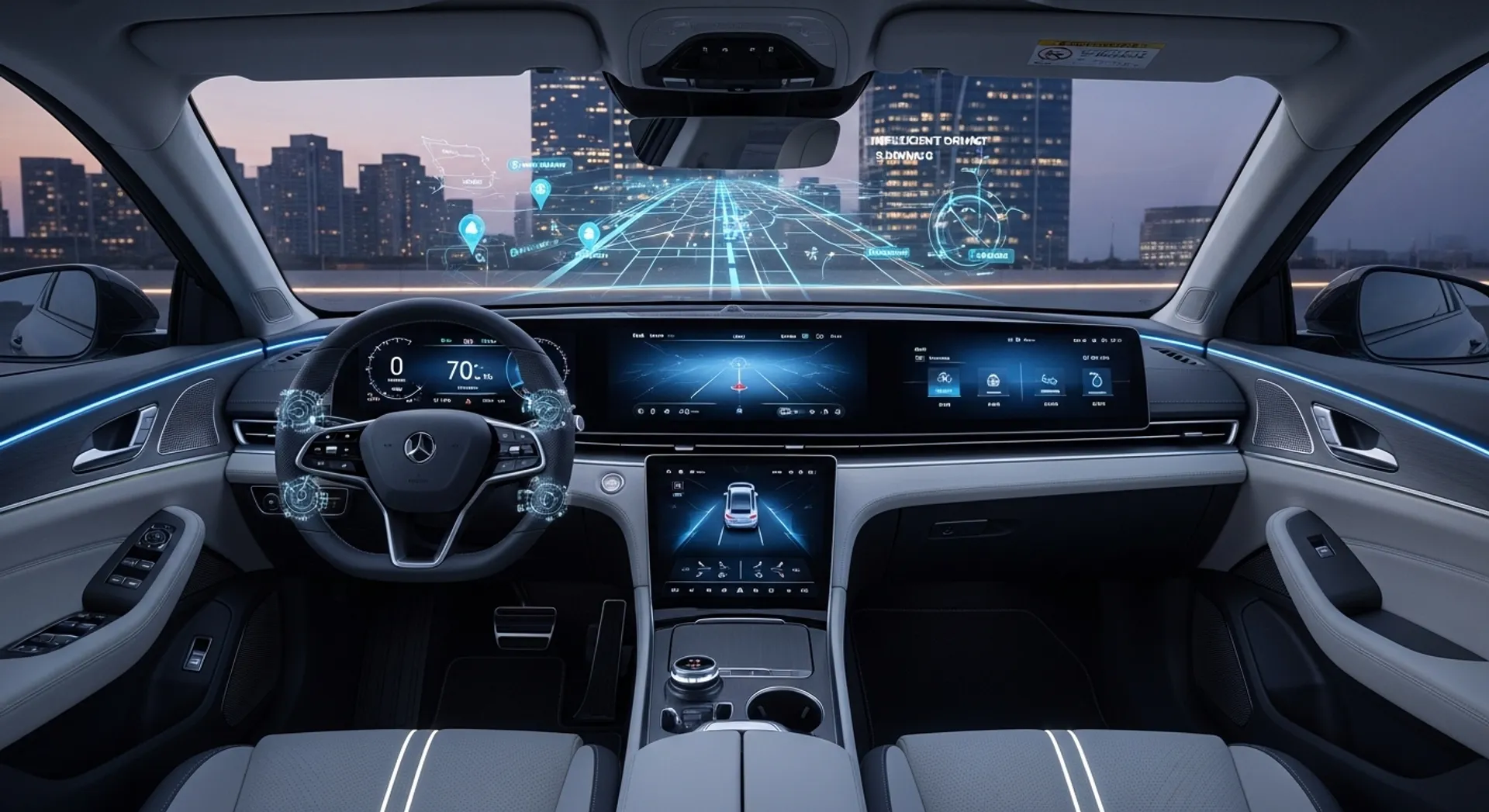
Software-defined cars are changing what it means to own a vehicle. Not long ago, a car’s features were mostly fixed the day it left the factory. If your model did not include a certain safety function, user interface upgrade, or performance tweak, that was usually the end of the story. In 2026, that logic is breaking down fast.
Today’s most advanced vehicles are increasingly built like connected digital platforms. That means software now plays a major role in how a car drives, how it protects passengers, how it manages energy, and how it improves over time. Instead of being static machines, modern cars are becoming products that evolve after purchase through over-the-air updates, cloud connectivity, AI-powered features, and smarter electronic architectures.
This is exactly why the phrase software-defined vehicle is becoming one of the biggest talking points in the automotive industry. A software-defined car is a vehicle whose features, behavior, and user experience are shaped as much by software as by mechanical parts. That includes everything from touchscreen layouts and voice assistants to battery optimization, driver assistance systems, route planning, and predictive maintenance.
For drivers, that shift matters more than most people realize.
What Is a Software-Defined Car?
A software-defined car is not just a vehicle with a big screen and a few connected apps. It is a car designed so that software can continuously improve or expand how the vehicle works. In practical terms, that means the car can receive updates, unlock new capabilities, refine existing systems, and adapt to changing driver needs without requiring major hardware changes.
Think about how your phone gets better after an update. Apps become faster, menus get cleaner, battery performance improves, and security gets stronger. The automotive industry is moving in the same direction. The difference is that the stakes are much higher because these updates can affect navigation, safety systems, energy management, and the full driving experience.
This trend builds naturally on topics we’ve already explored at CarIron, especially in our guides on smart car technology and the role of AI in future car design.
Why Software-Defined Vehicles Are Trending in 2026
There are three main reasons this topic is hot right now.
First, automakers are under pressure to make vehicles more flexible and easier to improve over long ownership cycles. Buyers now expect digital experiences that feel current, not outdated after one year.
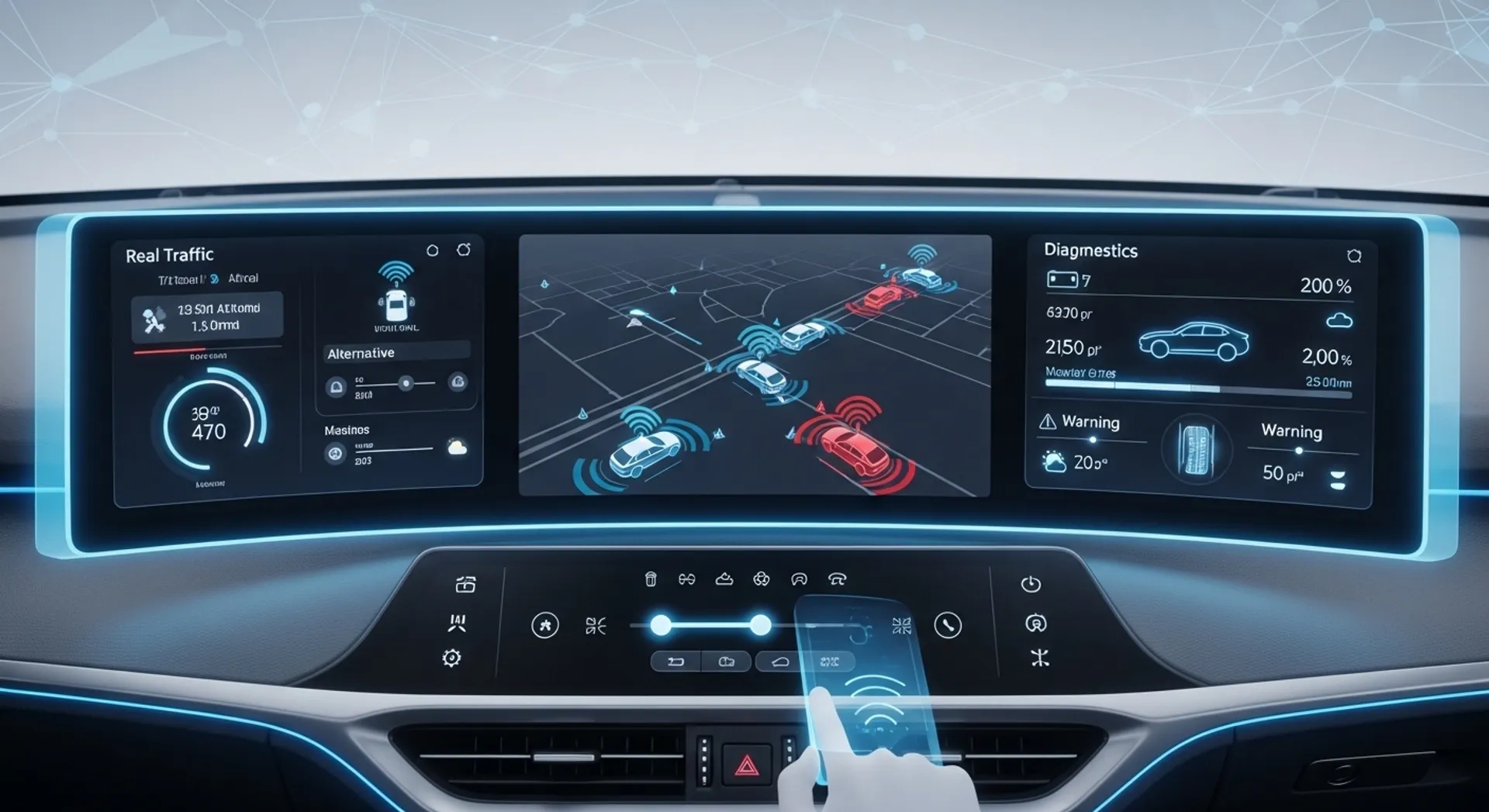
Second, AI is pushing car software far beyond basic infotainment. It is now being used for personalization, route intelligence, driver assistance, cabin controls, maintenance predictions, and more adaptive interfaces.
Third, the industry is reorganizing around centralized computing and next-generation electronic architecture. Instead of dozens of disconnected control units doing isolated jobs, many new vehicles are moving toward more integrated systems that make updates faster and more scalable.
That is why software-defined vehicles are no longer theoretical. They are moving into real-world execution and becoming a major part of the automotive conversation in 2026.
What This Means for Everyday Drivers
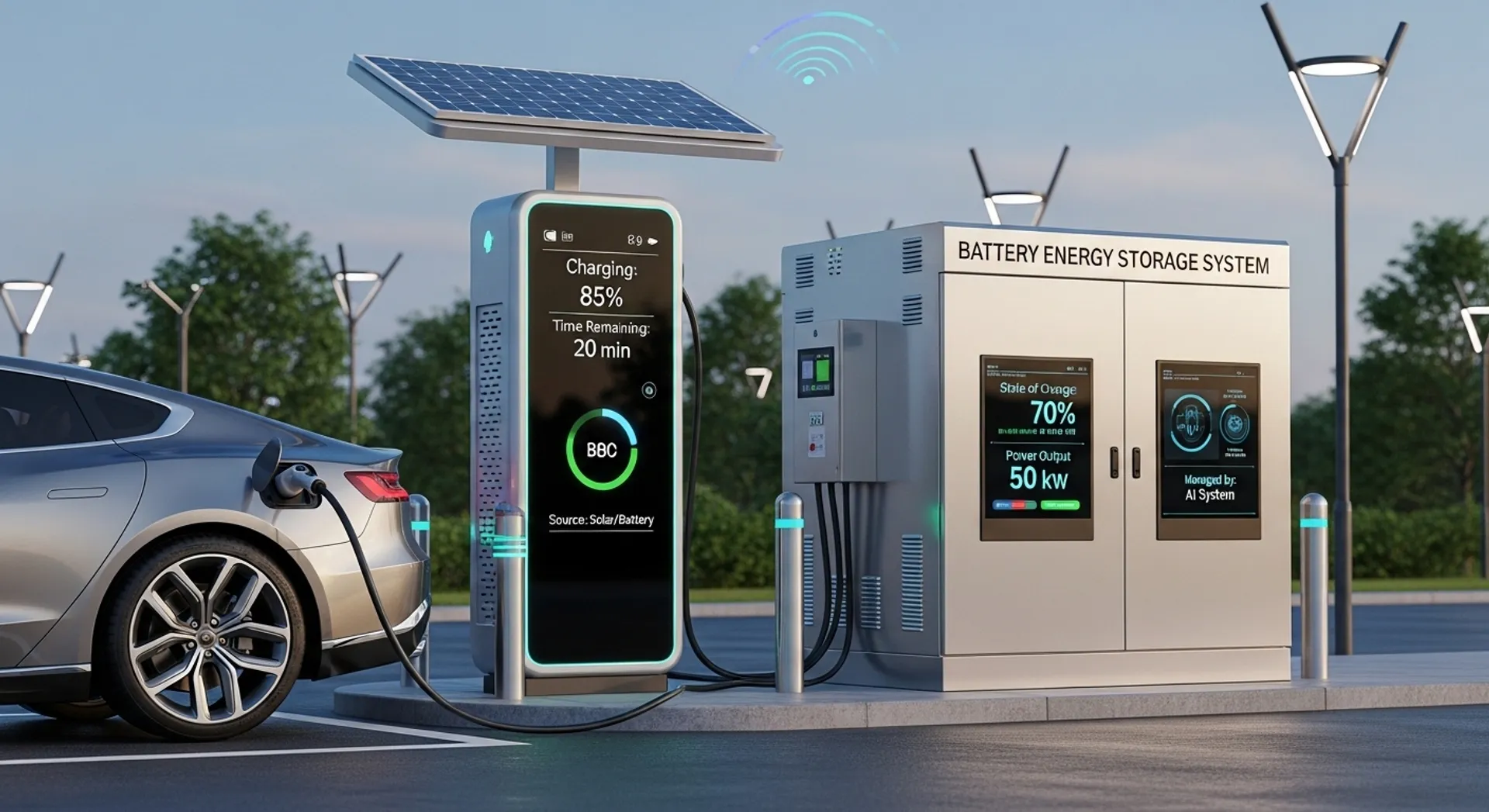
For car buyers, the biggest takeaway is simple: the value of a vehicle is no longer based only on what is installed at delivery. A car can continue to improve after you bring it home.
Here are some of the biggest ways software-defined cars affect drivers:
1. Better Features Over Time
A cleaner interface, improved navigation logic, more refined climate controls, and enhanced voice functions can all arrive through updates. In some cases, automakers can even improve efficiency, charging logic, or user interface design without touching the hardware.
2. Smarter Safety Systems
Advanced driver assistance systems rely heavily on software. As software improves, features like lane support, driver alerts, parking assistance, and sensor coordination can become more polished and more useful.
3. More Personalized Driving
Software-defined cars can learn driver preferences for seating, climate, audio, navigation, and drive modes. Over time, that creates a more tailored ownership experience.
4. Longer Product Relevance
One of the biggest frustrations in automotive ownership is buying a car that feels technologically old too quickly. Software-defined vehicles reduce that problem by making cars more upgradable.
5. Potentially Better Resale Appeal
A vehicle that still receives meaningful improvements may hold attention longer in the used market, especially if software support remains strong.
If you are comparing future-ready models, this is now just as important as checking horsepower, fuel economy, or styling. It also fits with the broader buyer mindset we cover on the CarIron Buy Car page, where modern drivers increasingly care about safety tech, connectivity, and long-term value.
Over-the-Air Updates Are a Bigger Deal Than They Sound
A lot of people hear “over-the-air update” and assume it only means minor bug fixes. That is outdated thinking.
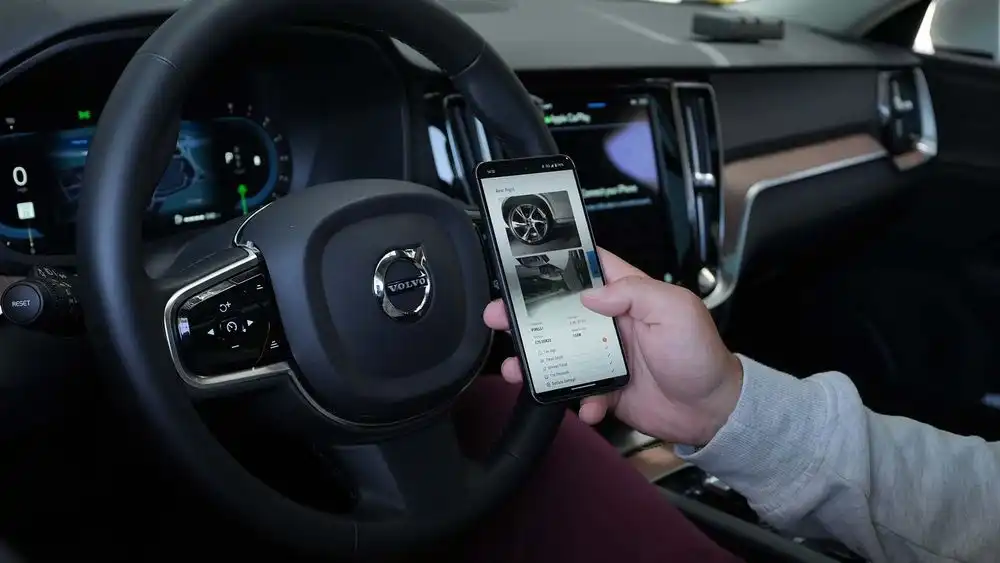
Today, OTA updates can reshape how a driver interacts with the vehicle every day. Interface improvements, feature access, usability changes, and system refinements are now part of the ownership experience, not just a bonus feature.
For consumers, that creates a new question before buying: How good is this brand at supporting its vehicles through software?
That question matters because not every automaker is equally prepared. Some companies still operate with legacy systems that make updates slower and more limited. Others are investing heavily in centralized computing, zonal architecture, and cloud-connected ecosystems designed for long-term digital support.
AI Is Making These Cars More Useful, Not Just More Flashy
Artificial intelligence is one reason software-defined cars are gaining momentum so quickly. AI is turning connected cars into systems that can interpret more context, respond more naturally, and optimize functions behind the scenes.
That does not just mean voice assistants answering simple commands. It can include:
- smarter route suggestions based on traffic and charging needs
- adaptive cabin settings based on usage patterns
- predictive maintenance alerts before a failure becomes expensive
- improved object recognition in advanced driver assistance systems
- better energy and battery management in electrified vehicles
This connects directly to another CarIron article, Hybrid vs. Electric: What’s Best for the Future of the Automobile Industry?, because software is now a huge part of EV and hybrid ownership. Range planning, charging logic, thermal management, and battery efficiency are increasingly software-led experiences, not purely hardware-led ones.
The Catch: Smarter Cars Also Raise Bigger Questions
This trend is exciting, but it is not all upside.
The more software-driven a car becomes, the more important cybersecurity, data privacy, software reliability, and update quality become. If your car is effectively a connected computing platform, then bugs, security gaps, or poor update strategies can have real consequences.
That is one reason regulators and industry leaders continue to focus on automated vehicle safety and software governance. As cars become more capable, the standard for trust also rises.
Drivers should keep a close eye on five things:
- how often the brand issues updates
- whether updates actually improve usability
- how transparent the brand is about data and privacy
- whether safety systems are refined responsibly
- how long software support is expected to last
In other words, future car shopping will increasingly include software questions that used to belong only in consumer tech.
For a broader official look at automated vehicle safety, you can also reference the NHTSA automated vehicle safety resources.
What Buyers Should Look for Before Choosing a Modern Car
If you are buying a new or near-new vehicle in 2026, do not just ask how the car drives today. Ask how it will improve tomorrow.
Here are the smarter questions:
- Does this vehicle support over-the-air updates?
- What systems can actually be updated?
- Is the infotainment experience fast and intuitive?
- Does the brand have a strong track record in software support?
- How well do the safety and driver-assistance tools work in real life?
- Is the car’s connected tech genuinely useful, or just marketing?
These questions can help separate cars that are truly future-ready from cars that simply look modern on the surface.
Final Thoughts
Software-defined cars are not a niche concept anymore. They are becoming a central part of the automotive industry’s future, and 2026 is proving that the shift is accelerating. The real competition is no longer just engine vs. battery or luxury vs. budget. It is increasingly about which vehicles can keep delivering value, convenience, safety, and intelligence after the sale.
For buyers, that is good news — as long as they know what to look for.
The smartest cars of the next few years will not just be the ones with the best specs on day one. They will be the ones that keep getting better every month you own them.