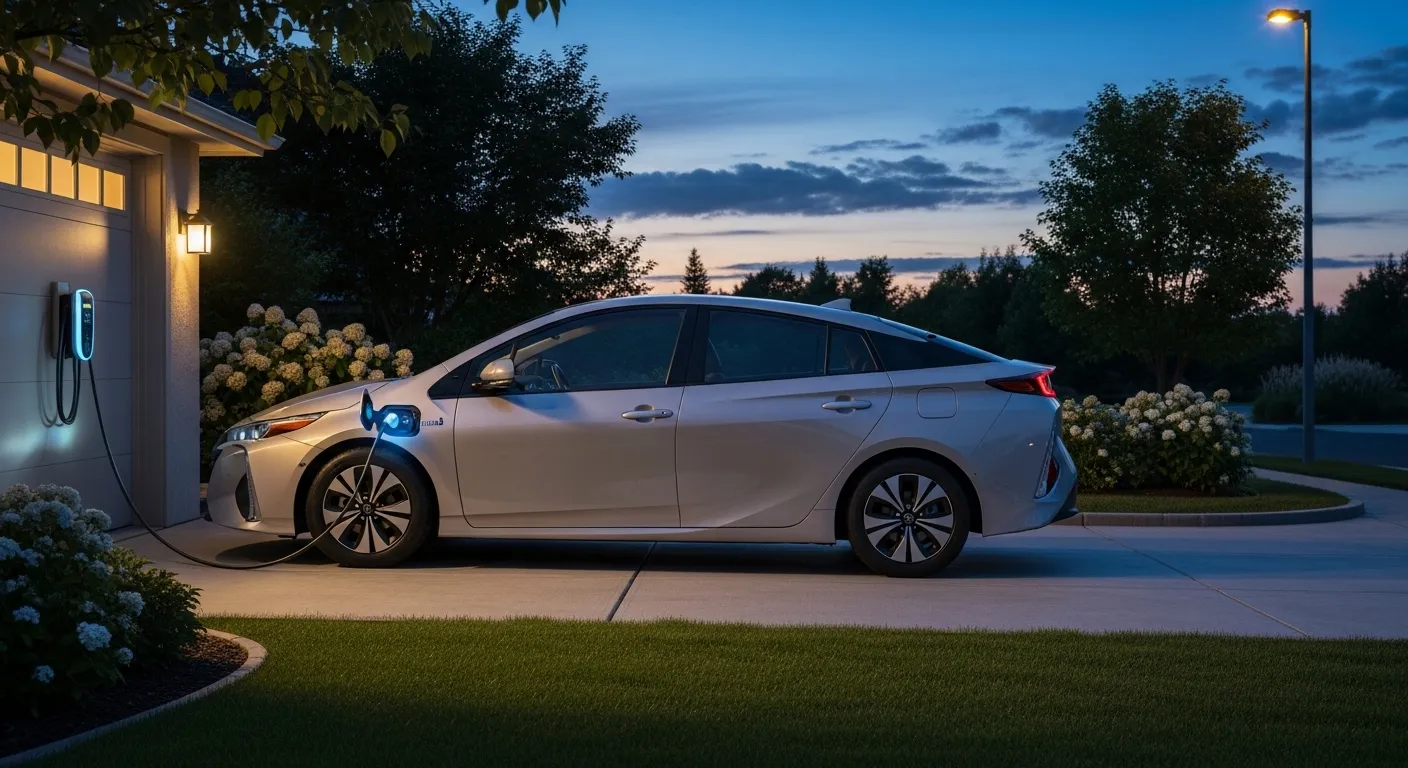
For a lot of buyers, going fully electric still feels like a big jump. That is why hybrids and plug-in hybrids remain such strong middle-ground options. They offer better efficiency than a traditional gas-only vehicle, but they do it in different ways. In 2026, that difference matters more than ever because buyers are trying to balance fuel costs, convenience, charging habits, and long-term practicality.
If you are deciding between a hybrid and a plug-in hybrid, the right answer depends less on hype and more on how you actually drive. Your daily mileage, access to charging, driving patterns, and budget all matter. One choice may look smarter on paper but still be wrong for your routine.
The good news is that both options can make sense. The mistake is assuming they are basically the same. They are not.
What a Hybrid Actually Does
A regular hybrid combines a gasoline engine with an electric motor and battery system. The vehicle charges itself through the engine and regenerative braking, so you do not plug it in. The whole point is to improve fuel efficiency and reduce wasted energy, especially in stop-and-go traffic and everyday commuting.
For many people, that simplicity is the biggest advantage. You get better efficiency than a conventional gas-only car without changing your routine much at all.
Why hybrids stay popular
Hybrids work well for buyers who want less fuel use without needing to think about charging schedules, home equipment, or range anxiety. You just fuel up and drive like normal.
The trade-off
The trade-off is that a regular hybrid usually cannot deliver much meaningful all-electric driving on its own. It improves efficiency, but it does not change the ownership model as much.
What a Plug-In Hybrid Does Differently
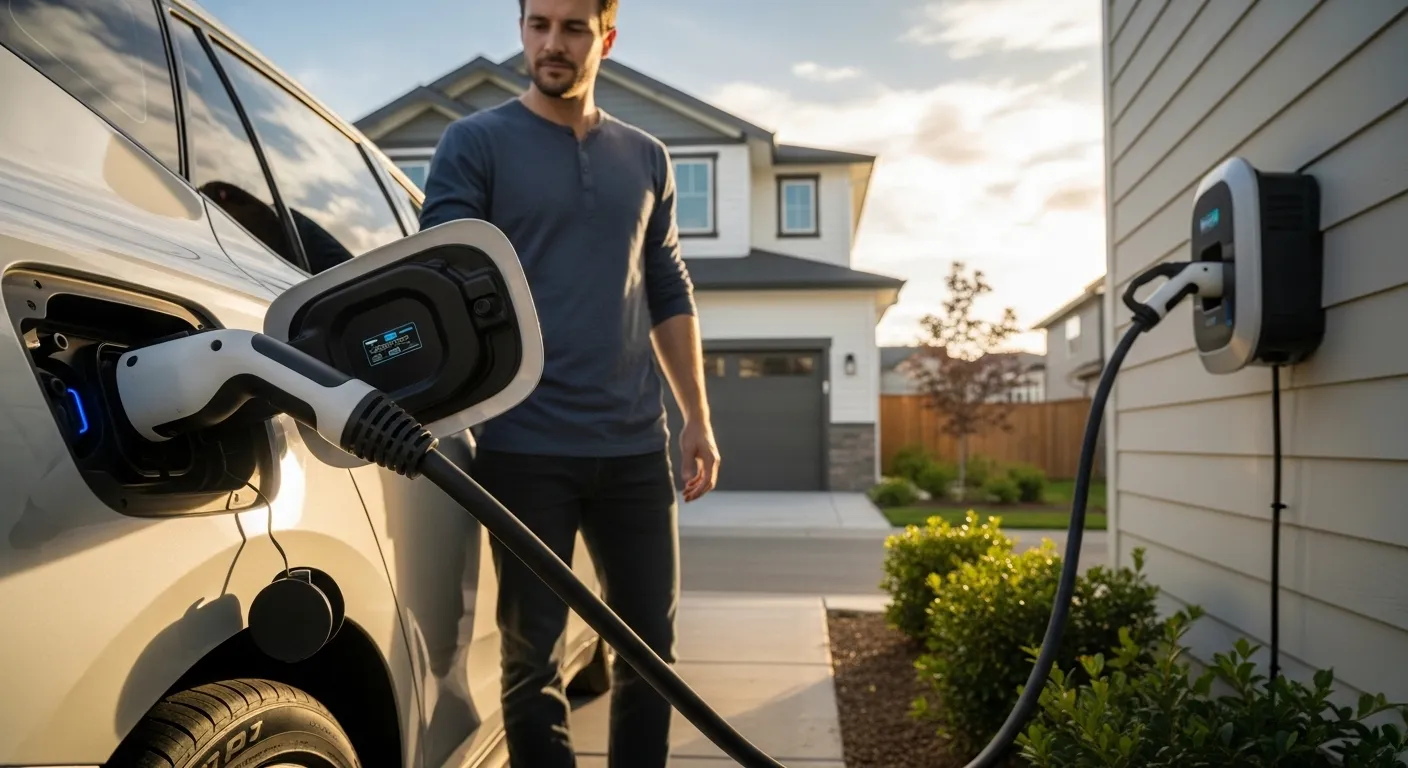
A plug-in hybrid also combines a gasoline engine and electric motor, but it has a larger battery that can be charged externally. That means it can drive a useful distance on electricity alone before switching over to hybrid-style gasoline operation.
For the right buyer, that can be a sweet spot. Short daily trips may happen mostly on electricity, while the gasoline engine remains there for longer drives and flexibility.
Why plug-in hybrids appeal to cautious buyers
A lot of shoppers like plug-in hybrids because they offer a bridge between traditional driving and full EV ownership. You can experience electric driving without fully depending on chargers for every trip.
The catch
A plug-in hybrid only makes full sense if the owner actually uses the plug. If you rarely charge it, you may end up carrying extra complexity and weight without getting the real benefit.
Which One Fits Your Daily Routine Better?
This is where the decision gets real. The better vehicle is the one that matches how you live, not the one that sounds trendier online.
A regular hybrid may fit you better if:
- you want a simpler ownership experience
- you do not have convenient home charging
- you drive mixed routes and longer distances often
- you want efficiency without changing habits
- you prefer lower lifestyle adjustment
A plug-in hybrid may fit you better if:
- your daily commute is relatively short
- you can charge at home or at work
- you want more electric driving without going fully EV
- you still want gasoline backup for road trips
- you are comfortable building a charging habit
That is really the decision. Not which one sounds more advanced, but which one fits your actual routine without becoming annoying.
Cost, Convenience, and Ownership Reality
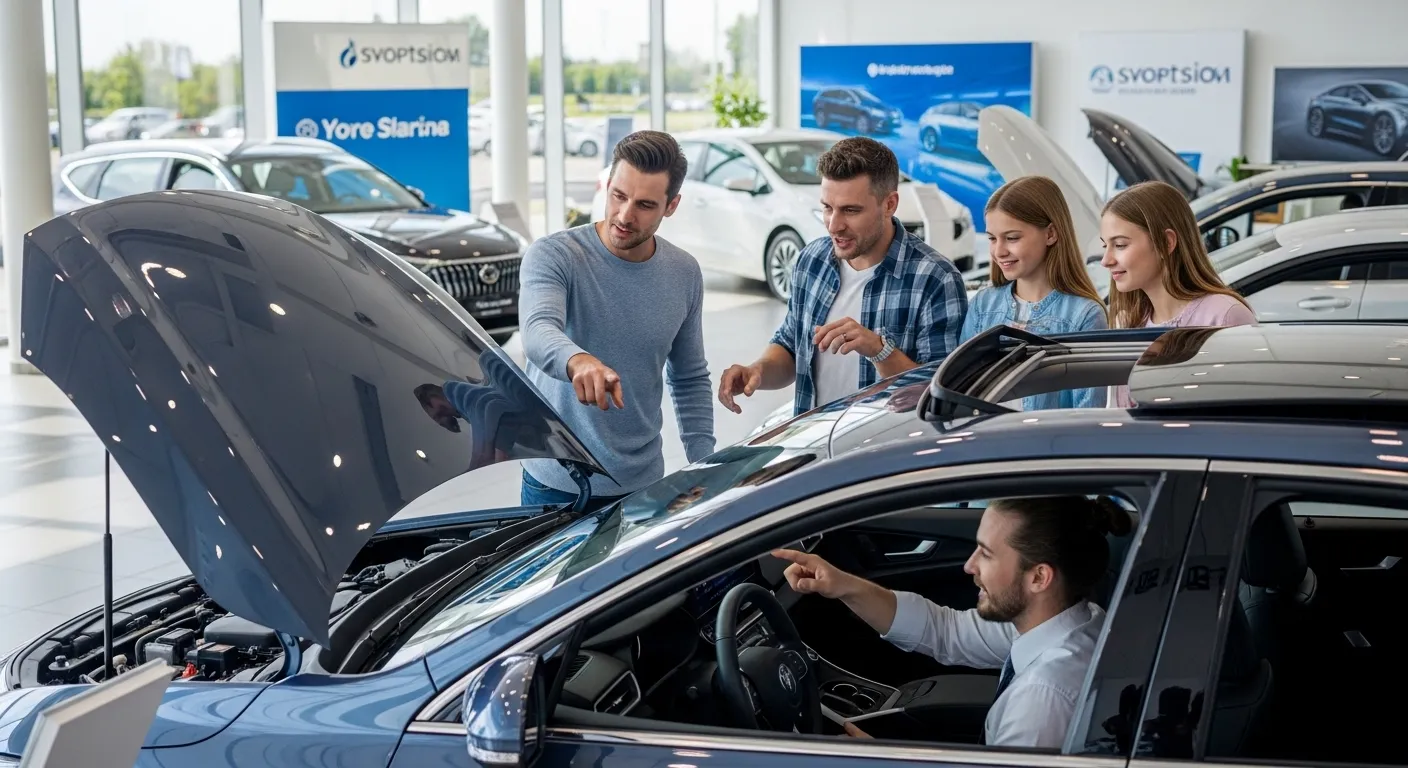
A hybrid often wins on simplicity. There is less behavior change, less planning, and usually less need to think about charging equipment. For many buyers, that ease matters a lot.
A plug-in hybrid can offer stronger savings potential for the right use case, especially when a large share of daily driving happens on electricity. But that advantage depends heavily on charging access and consistency. Without that, the ownership case gets weaker fast.
Questions buyers should ask themselves honestly
- Can I charge regularly where I live?
- How many miles do I usually drive in a normal day?
- Do I want convenience above all else?
- Will I actually plug in often enough to justify it?
- Am I shopping for lower fuel bills, lower hassle, or both?
Do not buy the wrong technology for your ego
That sounds blunt, but it is true. A lot of bad car decisions happen because buyers chase the image of a technology instead of the fit. Choose the one that works in your life.
Why This Topic Works for Car Iron
This is a strong Car Iron topic because it matches the site’s buying-guide angle and its broader focus on helping readers make informed car decisions. It also fits naturally with existing sections like Buy Car, About, and the current blog content around modern vehicles and technology.
Suggested internal links for this post
- Buy Car
- Blog
- Home
- About
- Smart Cars: How Connectivity is Changing the Way We Drive
- What Makes a Modern Car So Smart? Breaking Down the Tech Features
Common Buyer Mistakes to Avoid
The first mistake is treating hybrids and plug-in hybrids like interchangeable labels. They are not. The second mistake is overestimating how much your habits will change after purchase. The third is ignoring convenience. The right car is the one you will use the way it was meant to be used.
Good buying decisions usually come down to fit
If you want maximum ease, a hybrid may be the cleaner answer. If your driving pattern supports electric-first daily use and you can charge consistently, a plug-in hybrid can be a strong middle-ground option.
Final Thoughts
In 2026, the hybrid vs plug-in hybrid decision is one of the most practical car-buying questions on the market. Both choices can be smart. Both can also be wrong if they do not match your real daily routine.
If you want efficiency with almost no lifestyle change, a hybrid is hard to argue against. If you want more electric driving but still want gasoline flexibility for longer trips, a plug-in hybrid may be the better fit. The smartest move is to buy based on use, not buzz.