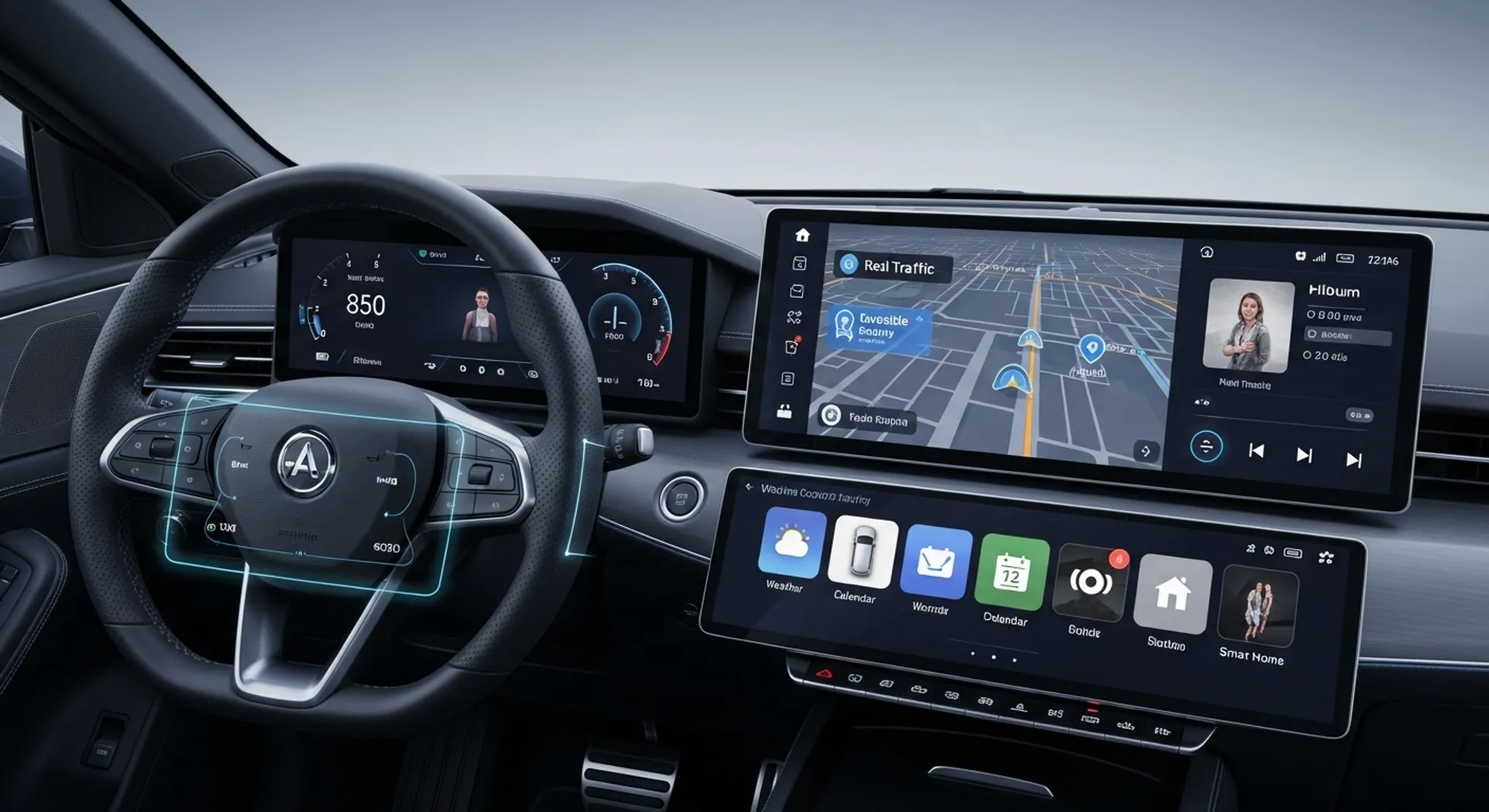
The modern car is no longer just a machine built around an engine, suspension, and bodywork. More than ever, today’s vehicles are shaped by software. That shift is changing how cars are designed, how they are updated, how features are delivered, and even how drivers think about ownership. In 2026, one of the most important ideas in the automotive world is the software-defined car.
The term sounds technical, but the meaning is simple. A software-defined car is a vehicle where many important functions are controlled, improved, and expanded through software rather than fixed hardware alone. That includes infotainment, driver assistance, connectivity, performance settings, navigation, and in some cases even core vehicle behavior. In plain English, the car you buy today may not stay exactly the same tomorrow because software can keep changing it.
That is a big deal for buyers. A car used to be judged mostly by what it had on the lot: engine size, trim level, materials, and factory features. Now, more shoppers are also asking what the car’s software can do, how often it gets updated, and whether new features can be added later.
Why Software Matters More Than Ever
Cars have included electronics for years, but the difference now is scale. Software is no longer just supporting a few convenience features. It is becoming a central part of the entire ownership experience. Navigation is smarter, dashboards are more digital, safety systems are more connected, and smartphone integration is expected rather than optional.
That means the quality of a car’s software can now affect daily satisfaction almost as much as horsepower or ride comfort. A vehicle can look great and still feel outdated if the interface is clunky, the updates are weak, or the technology feels half-finished.
What buyers notice first
Most people do not start with technical architecture. They notice the basics. Does the screen respond quickly? Is the camera system clear? Is the smartphone connection easy? Can the car improve over time? Does the system feel polished or frustrating?
The ownership experience is changing
That is the real shift. Buyers are not only shopping for a car anymore. They are shopping for a digital experience inside the car too.
How Over-the-Air Updates Change Ownership
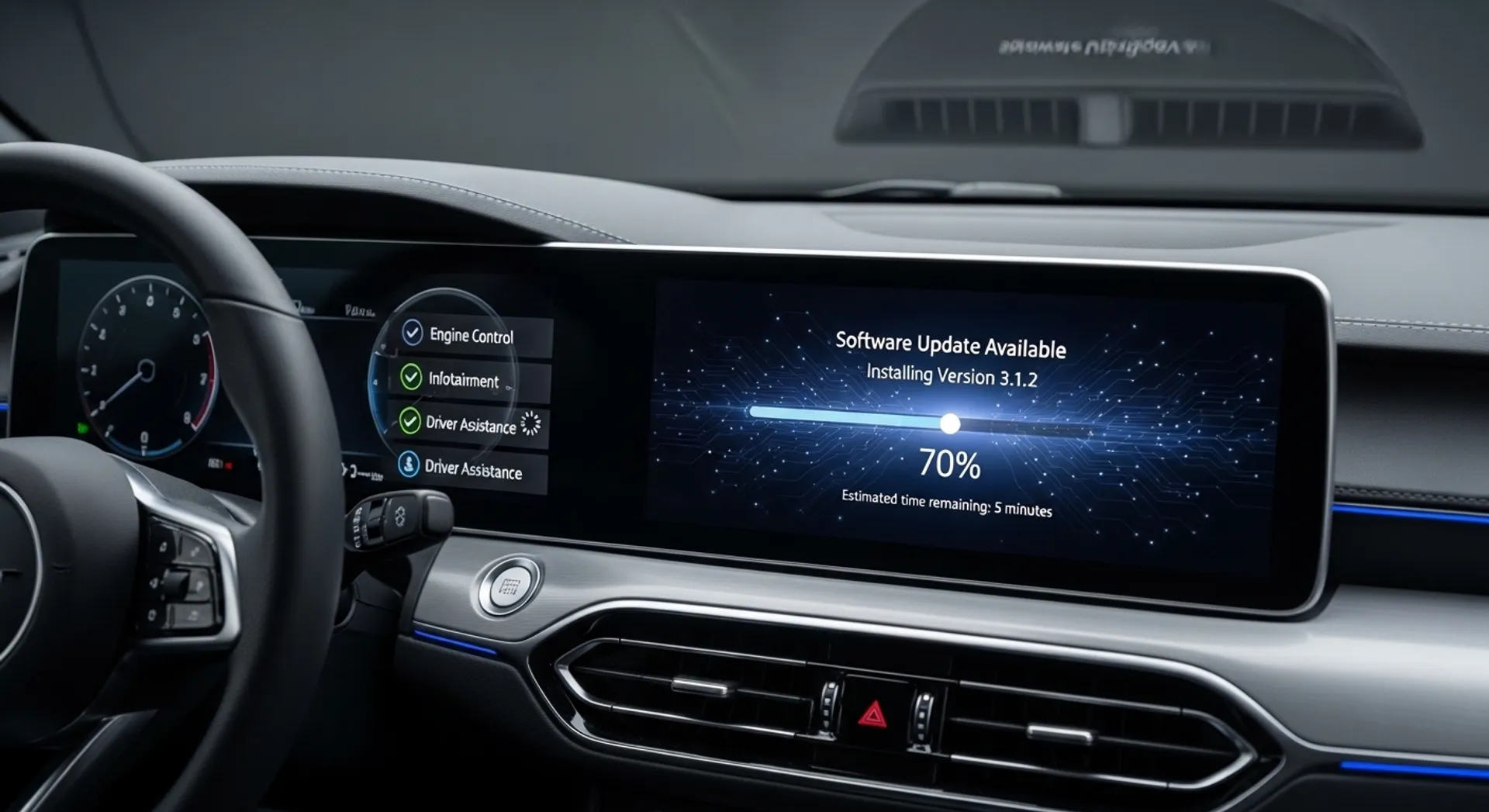
One of the biggest reasons software-defined cars matter is over-the-air updates. These updates let automakers improve certain systems without requiring a traditional service visit for every change. Depending on the vehicle, updates may improve infotainment performance, navigation features, interface design, charging behavior, or other software-based functions.
For drivers, that can be a real advantage. Instead of owning a vehicle that slowly feels old, buyers may get improvements after purchase. In some cases, bugs get fixed faster. In other cases, features get refined and the system becomes more useful over time.
Why this sounds great in theory
On paper, software updates make ownership more flexible. A vehicle can get smarter, smoother, and more refined after it leaves the dealership. That is a strong selling point in a market where consumers expect technology to keep improving.
Why it also raises new questions
There is also a harder side to it. If software is now central to the vehicle, buyers need to care more about update quality, cybersecurity, long-term support, and how dependable that digital ecosystem really is.
What Makes a Good Software-Defined Car?
Not every modern car handles software equally well. Some brands build systems that feel fast, intuitive, and well integrated. Others still feel like they are forcing old vehicle design into a newer digital shell.
Strong software-defined vehicles usually get these basics right
- fast and responsive infotainment
- clear menus and easy controls
- reliable phone connectivity
- consistent update support
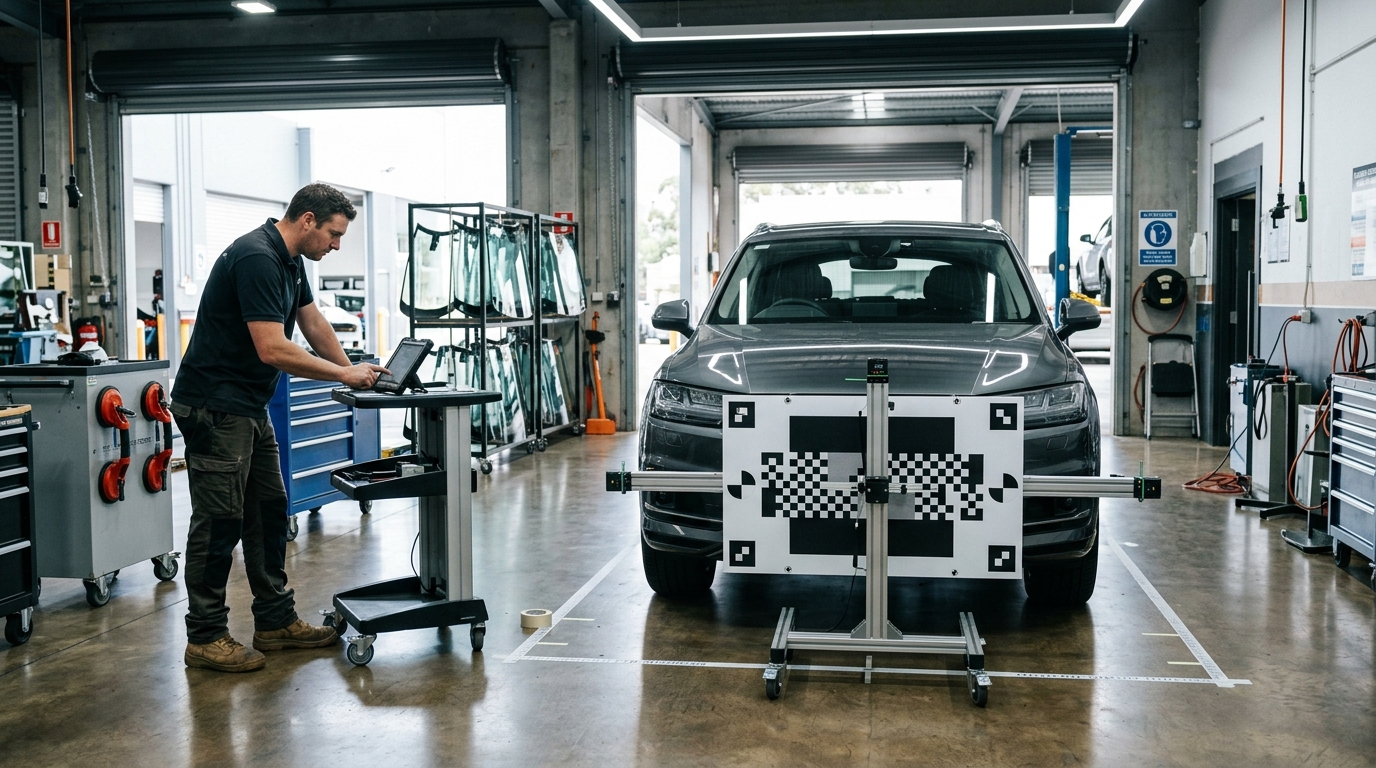
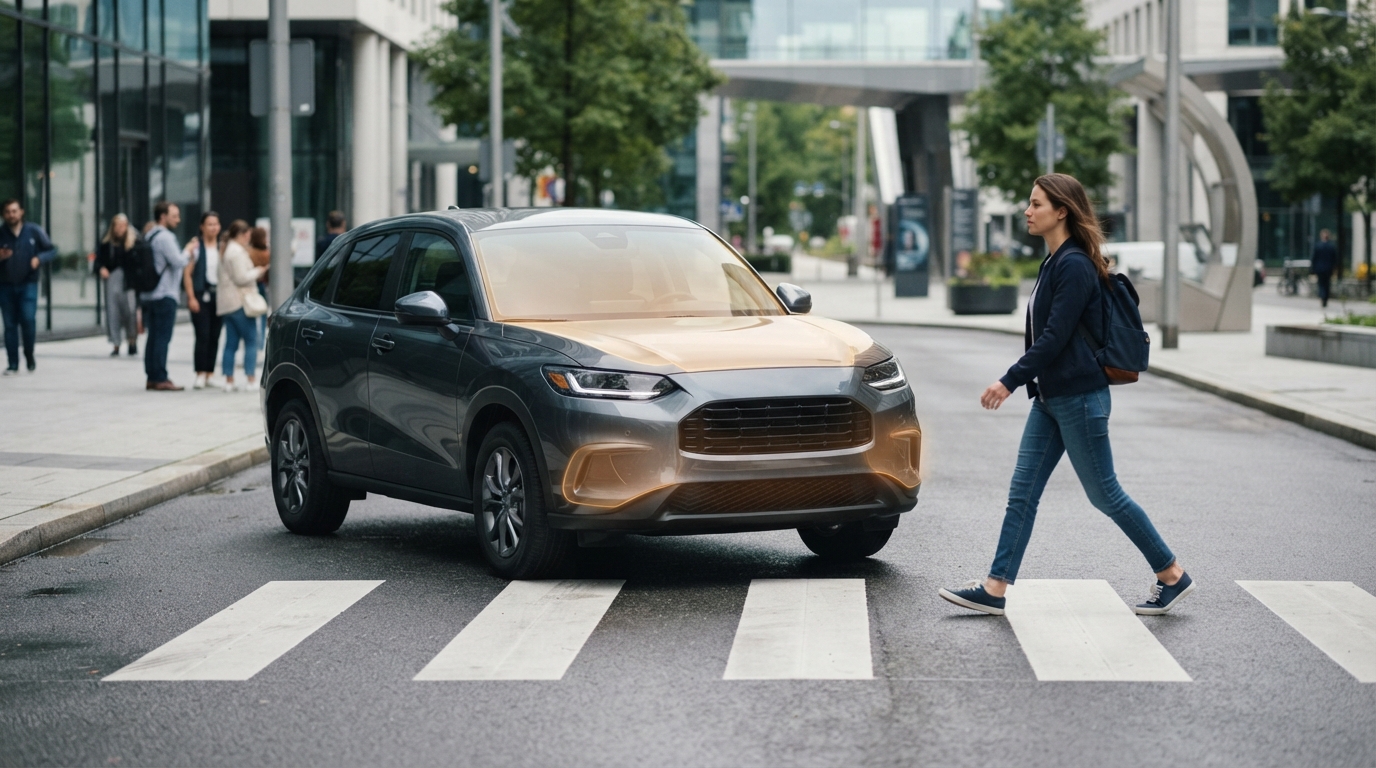
- smart driver-assistance integration
- useful digital displays without clutter
The best systems make technology feel natural. The worst ones make simple actions harder than they should be. That is why buyers should stop treating software as a side note during research.
What Buyers Should Watch Out For
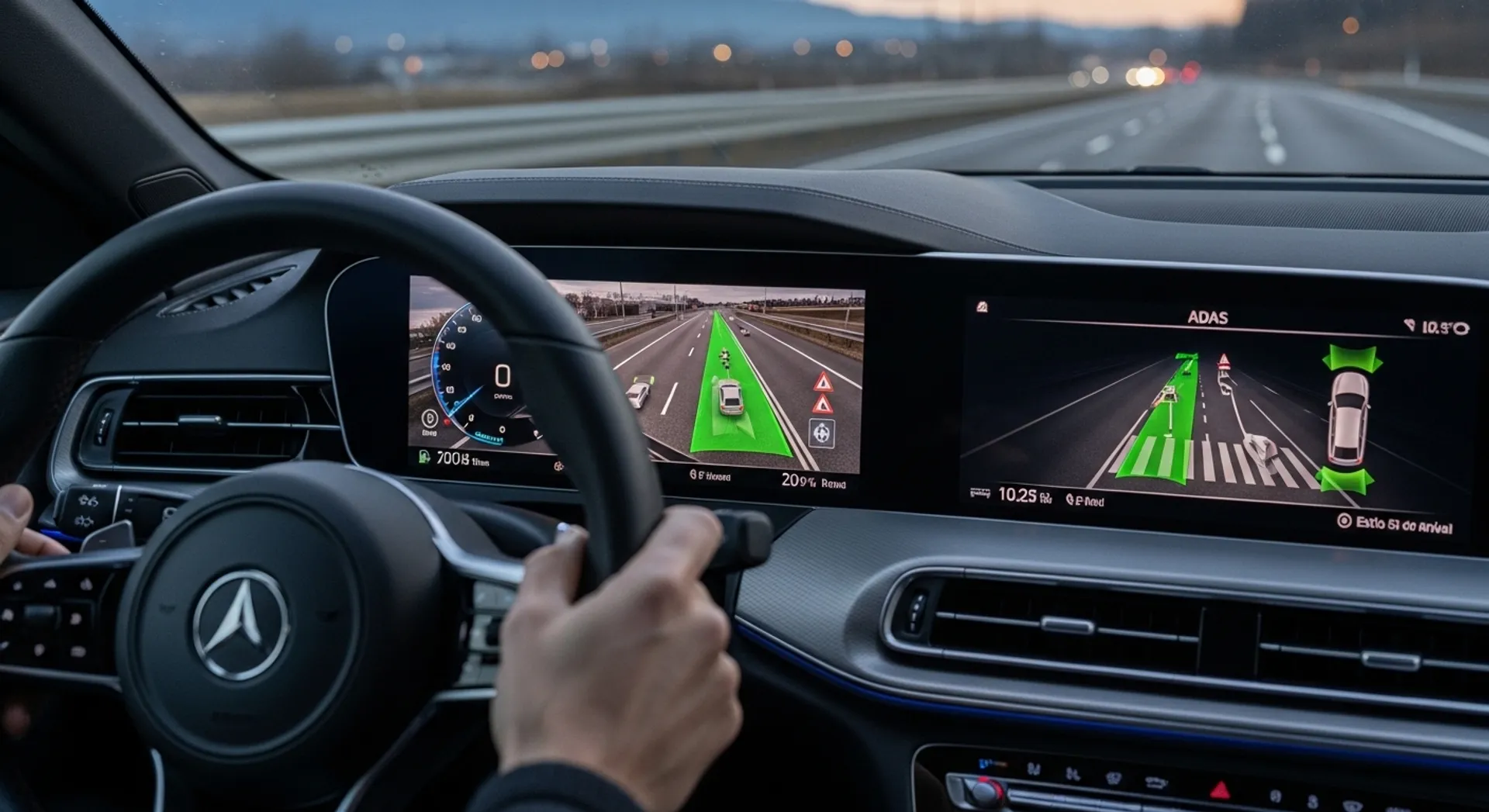
There is no point pretending every software-heavy car is automatically better. More technology does not always mean better technology. Some cars bury common functions inside menus. Some rely too heavily on touch controls. Some deliver flashy screens but weak everyday usability.
Questions worth asking before you buy
- How often does the brand improve its software?
- Does the interface feel easy to use while driving?
- Are updates helpful or mostly cosmetic?
- Do the digital features actually improve daily use?
- Will the system still feel current in a few years?
These are not small questions anymore. A buyer who ignores them may end up with a car that looks advanced but feels annoying every single day.
Why This Topic Fits Car Iron Perfectly
This kind of topic belongs on Car Iron because the site already positions itself around modern cars, buying guidance, and automotive trends. It also connects naturally to existing site pages like Home, About, Buy Car, and the existing blog content about smart cars and modern car features.
Suggested internal links for this post
- Blog
- Home
- About
- Buy Car
- Smart Cars: How Connectivity is Changing the Way We Drive
- What Makes a Modern Car So Smart? Breaking Down the Tech Features
Final Thoughts
In 2026, software is no longer a background feature in modern vehicles. It is one of the things shaping the full driving and ownership experience. That is why the idea of a software-defined car matters. It affects usability, convenience, updates, safety perception, and long-term value.
The smartest buyers are not just looking at design, engine specs, and trim packages anymore. They are also looking at whether the vehicle’s software feels mature, useful, and worth living with every day. That is where a lot of modern car decisions are now won or lost.